

Calcium Chloride 94% Powder Top Uses and Benefits You Should Know
2026-11-16
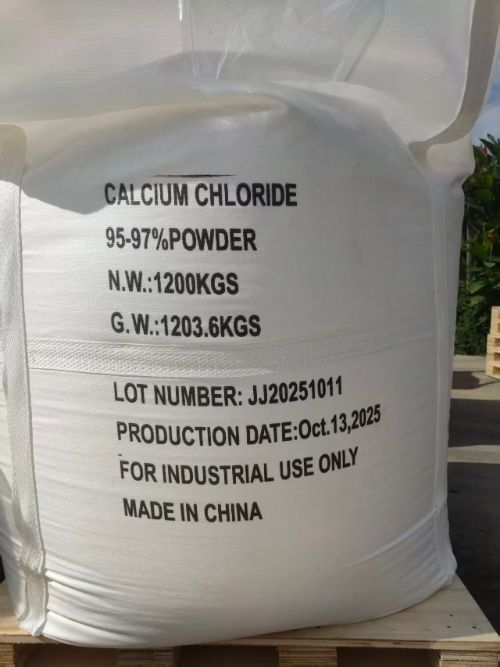
Calcium chloride is easy to underestimate. Most buyers know it as a de-icer, but a 94% powder pulls far more weight in real-world operations—improving dust control, accelerating concrete work, and keeping moisture exactly where it belongs. The catch is that purity and particle consistency change how well it performs, which is why sourcing matters as much as the specification. Shouguang Golden Chemical has become a go-to for buyers who need dependable quality without guesswork. If you’ve ever wondered whether a higher-concentration powder is worth the switch, this guide breaks down the top uses and benefits you should know.
Why 94% Calcium Chloride Outperforms Diluted Alternatives
Most of the performance gap comes down to what is actually inside the bag. At 94% concentration, nearly all of the material is available calcium chloride, while diluted versions carry added moisture and inert matter that do not melt ice or stabilize unpaved surfaces. That means a spreader set to the same rate delivers noticeably less active material with a diluted product, so it takes more passes to get the same effect.
The concentrated form also releases heat more aggressively when it meets moisture. That reaction is what keeps it working during sharp temperature drops, and it can be the difference between breaking up hard-packed ice and having to return for a second application. Weaker blends still perform in mild conditions, but they tend to quit earlier just when roads and walkways are most difficult to treat.
Spending less time on repeat applications has a ripple effect on labor and material budgets. Once you adjust for the extra volume a diluted alternative requires, the headline price difference often narrows or disappears. Many maintenance crews find the 94% product simplifies storage, cuts rehandling, and leaves fewer residues that need to be swept or washed away later.
Faster Concrete Set Times in Low Temperatures
Cold weather normally slows cement hydration, but faster set times are still achievable when the mix is adjusted with intention. Lowering the water-cement ratio, switching to a finer cement, or adding a non-chloride accelerator can shave hours off both initial and final set without weakening the cured slab. The key is to treat the mix as a system: a small change to one variable rarely works in isolation, so binder selection, water content, and admixture dosage should be tuned together.
On site, the concrete temperature matters more than the air temperature. Warming the mixing water and aggregates before batching, protecting forms with insulated blankets, and placing concrete during the warmest part of the day help keep the hydration reaction active. When the concrete stays above the minimum placement temperature during the first few hours, the accelerator performs more predictably and the risk of surface freezing drops sharply.
A shorter setting window in low temperatures also changes the finishing and placing rhythm. Crews need to work in smaller, well-sequenced pours because the surface can stiffen before bleed water has fully risen. Planning for faster screeding, earlier bull floating, and prompt curing is just as important as adjusting the mix itself, otherwise the gains in set time can be lost to cold joints or premature finishing.
Lower Dust Levels on Gravel Roads and Driveways
Gravel surfaces throw up a surprising amount of fine powder, especially in dry spells or after routine grading. A simple calcium chloride or lignin sulfonate treatment binds loose particles without turning the road into a slick mess. Most property owners notice a real drop in airborne dust within a day, and the effect holds for weeks rather than hours. That means less haze drifting toward the house, cleaner vehicles, and easier breathing for anyone working or playing near the lane.
Beyond the immediate comfort, keeping dust down also protects the road itself. When fine material blows away, larger stones loosen and ruts begin to form. Add a light crown and occasional spot treatment after heavy rain, and you avoid the washboard pattern that rattles every passing truck. It is a low-effort routine that pays off in fewer regrading passes and a driveway that actually stays put.
For a longer fix, consider mixing a stabilizer into the top few inches of gravel during grading. This creates a firmer surface that still drains well but resists dust generation at the source. In many cases, one proper application in late spring carries a driveway through the entire summer with barely any visible plume behind a car.
Keeping Crawl Spaces and Basements Dry for Longer
Most moisture problems start outside, so pay attention to where rainwater goes during a heavy storm. If downspouts dump water right next to the foundation, extend them several feet away, and fill low spots near the house with compacted soil so the ground slopes outward. On a flat lot, even a shallow trench or swale can make a surprising difference in keeping surface water from settling against the walls.
Inside, exposed dirt floors are a steady source of dampness. Cover crawl space floors with a durable vapor barrier, overlapping the seams by at least a foot and taping them down so moisture cannot slip through. Insulate cold water pipes to stop condensation from dripping onto framing or insulation, and check rim joists for gaps where warm, humid air sneaks in and meets cool surfaces.
Rather than relying on vents alone, use a dehumidifier sized for the square footage during humid months, and keep crawl space vents closed when outdoor air feels muggy. Leave the space tidy enough to inspect for puddles, white mineral stains, or musty smells, because catching a small leak early prevents the kind of dampness that lingers for weeks and slowly works its way into the rest of the house.
Food Processing Roles You Would Not Expect From a Mineral Salt
Most people associate mineral salts with seasoning or preservation, but their quiet influence runs far deeper in the production line. Take sodium chloride, for instance. Beyond taste, it tightens the protein matrix in processed cheese, preventing the fats from separating during heating and giving the final block a smooth, sliceable texture. Without that structural reinforcement, many dairy products would collapse into a greasy, crumbly mess on the factory floor.
Another overlooked role emerges in fermentation control. Calcium sulfate, often dismissed as a mere firming agent, actually regulates the metabolic pace of yeast in certain baked goods. By buffering the dough's pH, it slows gas production just enough to create a finer, more uniform crumb. Bakers who tweak this mineral's ratio can push a standard loaf toward an open, airy structure or a dense, sandwich-friendly bite—no enzyme or additive required.
Then there is magnesium chloride, a coagulant in tofu that also doubles as a moisture manager in plant-based meat alternatives. It draws water into a gel network that mimics the springiness of animal protein, letting a pea-protein patty hold its shape on a hot grill. These are not glamorous jobs, but they reveal how a humble mineral salt can act as architect, pacemaker, and binder all at once.
Extending Ice Melt Performance on Freezing Nights
Most ice melt loses its pace after dark not because the product stops working, but because the melted snow has nowhere to drain and quietly refreezes as a thin, nearly invisible glaze. Surface temperatures can run several degrees below air temperature, so a sidewalk that reads 28°F may actually be sitting at 22°F. That gap is where short-lived melts fail. Choosing a calcium chloride or magnesium chloride blend, rather than plain rock salt, keeps the residual brine active well below the point where ordinary sodium chloride turns slush back into ice.
Timing matters just as much as chemistry. A light pre-treatment before the evening temperature drop allows the brine to spread and break the bond between ice and pavement before the harder freeze sets in. On known trouble spots—ramps, north-facing steps, shaded walkways—one modest follow-up pass around nightfall often does more than a heavier dose at midnight.
The goal isn't to melt every ounce of snow at 2 a.m.; it's to keep a low-friction meltwater layer between the pavement and any ice that tries to lock on. Watch the pavement temperature, monitor where refreeze patches appear, and adjust the next application toward those locations instead of blanketing the whole area. That keeps the night safer without turning the morning into a slushy, chemical-heavy mess.
FAQ
It pulls moisture from the air and holds it in the road surface, so the fine particles stay damp and heavy instead of billowing up behind vehicles. A light application after grading can keep dust down for weeks, though results depend on humidity and how much traffic the road gets.
Yes, it acts as a set accelerator. It helps concrete cure faster and gives off a little early heat, which can be useful when you are trying to strip forms or finish before temperatures drop. The dosage has to stay small, especially with steel-reinforced work, because chloride can raise corrosion risk.
It works faster and keeps working at lower temperatures. Rock salt gets sluggish around 20°F, but calcium chloride still attacks ice well below that. It also releases heat when it dissolves, so it can break the bond between ice and pavement quickly. The downside is higher cost and a harsher effect on concrete if you use too much.
Not necessarily. Many 94% powders are technical grade for industrial or outdoor use and may contain impurities. For cheese making, pickling, or any food-related task, buy a product that is clearly labeled food grade rather than assuming any powder will do.
It aggressively pulls water vapor from the air and eventually turns into a brine that drips into the lower container. That makes it useful in closets, vehicles, basements, and storage areas during humid weather. Just use a non-metallic container because the resulting liquid can corrode some metals.
The dissolving process is exothermic, so the 94% powder releases heat as it goes into solution. That heat kick is part of why it works so quickly on ice: it is not just lowering the freezing point, it is also actively helping melt the surface layer.
Yes, it can raise calcium hardness in pool water and help prevent the water from leaching calcium out of plaster, tile grout, or concrete. Dissolve it in a bucket of pool water first, pour it around the deep end with the pump running, and retest after a few hours. It will not nudge pH upward the way some calcium products can.
Put it in a sealed plastic or lined container, close the lid tightly, and keep it in a cool, dry place off the floor. Because it absorbs moisture from the air, even a small gap can turn it into a damp lump. If it clumps, you can break it up, but once it becomes wet brine it is harder to spread evenly.
Conclusion
A 94% concentration changes how calcium chloride behaves in the field. The extra purity leaves less room for inert fillers and water, so each pound works harder when temperatures drop. Concrete crews often prefer this grade because it pushes hydration forward even when the air is cold, cutting the waiting time on slabs and footings. On gravel roads, that same high-strength formula pulls moisture from the air and holds it in the surface, which keeps dust from lifting under tires. It also helps in crawl spaces and basements by drawing dampness out of the air before mold and musty odors can settle into wood or insulation.
The less obvious benefits show up in places people rarely connect to a mineral salt. Food processors use food-grade calcium chloride to firm textures, control moisture, and support consistent brining. During freezing nights, the 94% powder extends ice melt performance because it reacts quickly, releases heat, and resists refreezing at lower temperatures than many diluted blends. Rather than applying more product, operators often find they can use less and still keep walkways and loading areas clear. That combination of strength, speed, and longer working time is why the 94% powder remains a practical choice across construction, maintenance, and food handling.
Contact Us
Contact Person: Tom Cui
Email: [email protected]
Tel/WhatsApp: +8618663670626
Website: https://www.jinjigoldenchem.com