

China Extruder Advancements Driving Efficiency in Plastics Manufacturing
2026-10-27
China's extruder sector has shifted from producing basic, low-cost machines to delivering high-precision systems that are quietly reshaping plastics manufacturing efficiency. Advances in screw geometry, energy recovery, and real-time process monitoring are now enabling processors to slash scrap rates and energy use while pushing output to new levels. Yet with the pace of innovation accelerating, many manufacturers struggle to separate genuine breakthroughs from incremental tweaks. SFC has been tracking these developments closely, and in this article we unpack the specific advancements that are driving measurable gains on the production floor—and why they matter for your bottom line.
Real-Time Melt Pressure Feedback Prevents Defects
Melt pressure sensors placed directly in the nozzle or cavity deliver live data that captures subtle shifts in viscosity, packing force, and flow resistance. These readings catch inconsistencies far earlier than temperature or screw position alone, giving operators a precise window into how the polymer behaves during injection. When pressure dips below the ideal window, short shots or sink marks are likely; when it spikes, flash and internal stress become the threat. By watching these numbers in real time, teams can intervene before a single bad part leaves the mold.
The real advantage shows up in high-volume runs where material lots change, regrind percentages drift, or machine wear alters backpressure. A feedback loop tied to melt pressure automatically trims hold time, adjusts transfer position, or corrects screw recovery speed to keep the process centered. Instead of relying on periodic quality checks that may miss a drifting trend, the system reacts within milliseconds. That prevents the slow creep of defects that often goes unnoticed until a batch fails inspection, saving scrap, rework, and the cost of sorting suspect inventory.
Implementing live melt pressure feedback also simplifies troubleshooting on the floor. Rather than guessing whether a short shot came from a blocked gate or insufficient packing, technicians read the pressure curve and pinpoint the exact stage where the anomaly occurred. Historical pressure signatures from good parts act as a fingerprint, and any deviation flags the operator immediately. This turns process control from a reactive chore into a proactive safety net, reducing downtime and making consistent part quality the default rather than the exception.
Quick-Change Screen Changers Reduce Line Stoppages
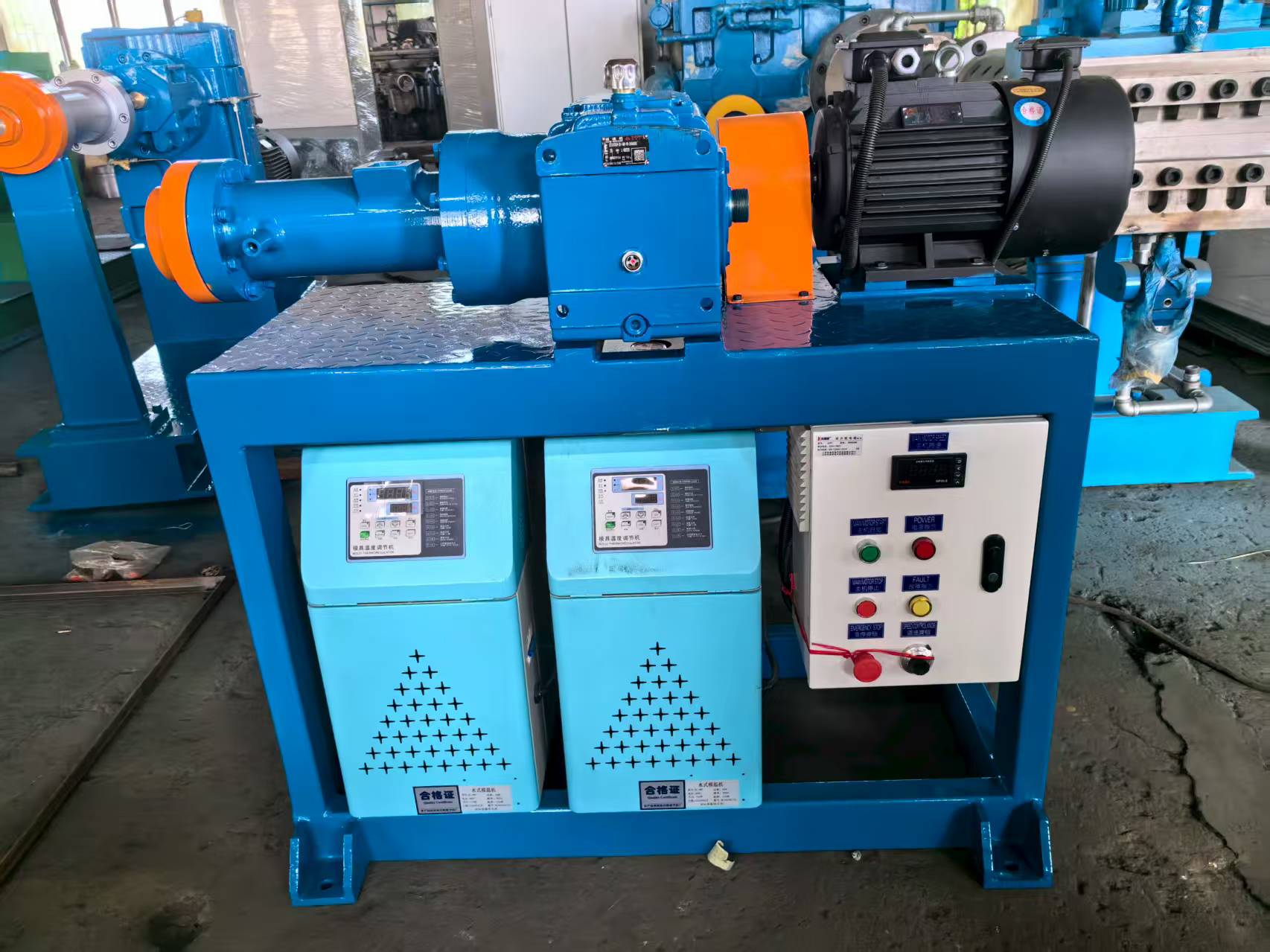
Swapping a dirty screen on a typical extrusion line often means shutting down the melt flow, cracking open the housing, and losing anywhere from twenty minutes to over an hour of production. Quick-change screen changers eliminate most of that wait. The screen slides out on a preheated carrier or piston while the polymer keeps moving, so the operator can replace a clogged filter in under a minute without touching the main flow. That single difference cuts unplanned downtime dramatically and keeps the extruder at operating temperature, which matters just as much as the clock.
The real payoff shows up in lines that run heavily filled or recycled resins, where screens load up fast. Instead of scheduling a shutdown every few hours, technicians simply swap screens on the fly and let the line keep pulling material. Some designs use a twin-bolt or slide-plate arrangement that shifts a clean screen into the melt stream while the dirty one is pushed out to a sealed chamber. Pressure stays stable, the die face doesn't starve, and scrap drops because there is no stop-and-start surge at the head.
Plants that switch to quick-change units often find their bottleneck moves elsewhere. A line that previously stopped four or five times per shift for screen changes can run straight through a full production day with only brief, scheduled filter swaps. The tooling cost pays back quickly in recovered output and fewer rejected startup sections. Maintenance teams can also plan screen replacements around resin batches rather than reacting to pressure alarms, which reduces the chaos that usually surrounds a downstream jam or burn mark on the sheet.
Wear-Resistant Barrel Coatings Extend Maintenance Intervals
Barrel wear rarely announces itself until a costly failure is already underway. Applying a wear-resistant coating changes that timeline. These layers, often ceramic or carbide-based, absorb the friction and abrasive contact that would otherwise eat into the barrel bore. For operations running filled or reinforced resins, that extra surface hardness means fewer diameter changes, less leakage, and a much longer stretch between teardowns.
What gets overlooked is how coating choice shifts the maintenance calendar. A barrel that once needed inspection every few hundred hours can often run several times longer with the right surface treatment. Shops start scheduling rebuilds around actual wear measurements rather than conservative guesswork, which cuts downtime and keeps spare parts budgets from spiking.
The payoff shows up most clearly on high-volume lines. Instead of swapping out a worn barrel mid-season, technicians can plan a coating refresh during normal service windows. Extending those intervals isn't just about saving a few days of labor; it protects screw flight clearances and reduces the risk of contaminating product with metal fines. Over a year, that adds up to more consistent melt quality and fewer emergency shutdowns.
Energy Recovery Drives Lower Operating Costs
Waste heat rarely gets a second glance in most facilities, yet it holds the key to trimming utility bills without adding new equipment. Energy recovery systems capture thermal or pressure energy that would otherwise be vented, exhausted, or sent down a drain, then convert it into usable heat or electricity. For example, a compressed air system can feed recovered heat into space heating or water preheating, cutting boiler runtime by double-digit percentages.
The savings show up in more than just the monthly power statement. When recovered energy offsets peak demand, facilities avoid steep demand charges and reduce wear on primary heating or cooling systems. Components that run fewer hours last longer, so maintenance budgets stretch further and unplanned downtime becomes less frequent. In many cases, the equipment pays for itself within two to three years, after which the savings accrue directly to the bottom line.
Exact results depend on the process, but plants with continuous operations often see the fastest payback. A dairy processing line that captures heat from refrigeration compressors, for instance, can use that heat for washdown water and eliminate a dedicated water heater. That single change might lower site energy costs by 15% or more while also easing the load on cooling towers. The operating cost advantage is not theoretical; it shows up on every invoice.
High-Torque Gearboxes Support Heavier Throughput
When production lines need to move more material without expanding floor space, the gearbox often becomes the silent bottleneck. High-torque designs solve this by pairing reinforced tooth profiles with oversized bearings and stiffer housings, allowing the same mounting envelope to transmit significantly greater rotational force. That extra capacity translates directly into heavier belt loads, deeper mixer batches, or faster screw conveyor speeds without pushing the drive into premature wear.
Beyond raw strength, these units manage the heat and shock loads that come with dense throughput. Internally, splash lubrication and improved oil galleries keep contact temperatures down during continuous duty cycles, while case-hardened gears resist pitting under repeated impact. The result is a gearbox that maintains its rated torque over years of stop-start operation, not just on day one. For plants chasing higher output from existing infrastructure, upgrading to a high-torque reduction stage often costs less than replacing an entire drive train.
Compact Footprint Designs Fit Existing Plant Layouts
Space constraints rarely allow for sprawling machinery installations. Compact footprint designs solve this by fitting advanced processing equipment into the same floor area as legacy systems, sometimes even leaving room for future expansion. Engineers map every cable run, valve bank, and access panel against the plant's existing columns, doorways, and overhead clearances before a single bolt is ordered.
A smaller footprint does not mean sacrificing maintainability. Many compact units now include hinged side panels, slide-out pump carts, and top-access filter housings so technicians can reach every service point without clearing surrounding equipment. That practical detail is often what wins over plant managers who have spent years fighting for elbow room around older, bulkier lines.
Retrofit projects benefit even more. Instead of knocking down walls or rerouting decades-old piping, compact skids drop into the same pad with minor tie-in adjustments. The result is a faster installation window, less demolition waste, and an upgrade that quietly disappears into the existing rhythm of the plant floor.
FAQ
Several manufacturers have moved to direct-drive motors and redesigned barrel heating zones so heat loss is minimized. Screw geometries now often use longer compression sections and barrier flights, which let the same machine run at lower melt temperatures while keeping throughput high.
Newer models use vented barrels with dual-zone degassing and more aggressive mixing elements. Some lines include inline melt filtration that automatically swaps screens, so contamination doesn't force frequent shutdowns. This lets operators run a higher percentage of post-industrial scrap without seeing big drops in output.
It's less about replacing workers and more about reducing guesswork. Closed-loop controls now adjust screw speed and barrel temperatures based on melt pressure and viscosity readings every few seconds. Operators see fewer manual corrections, and startups are quicker because the system remembers settings from previous runs of the same material.
Beyond lower upfront pricing, many suppliers now bundle remote diagnostics and modular parts that can be replaced without a full teardown. Lead times for wear components have dropped significantly, and several manufacturers offer energy audits after installation to help customers fine-tune settings and reduce power bills.
Yes. Bimetallic barrels and nitrided or coated screws are becoming standard on many mid-range lines, not just premium builds. This reduces the frequency of rebuilds and keeps dimensional stability more consistent, which means less scrap from thickness variation during long runs.
The gap has narrowed considerably in the last five years, especially for single-screw and parallel twin-screw machines. Chinese lines now commonly hold temperature variation within a couple of degrees and repeat screw speed within a fraction of a percent. The main difference often comes down to application-specific tuning, where local suppliers now offer more customization than in the past.
High-volume profiles, pipe, sheet, and compounding operations see the biggest payoff because they run continuously. Suppliers have also made gains in smaller medical tubing and film lines where tight tolerances require very stable melt delivery. In those cases, the improved control loops matter more than raw speed.
A few companies are experimenting with AI-assisted process optimization that learns from historical batch data and suggests parameter sets for new materials. Others are combining extrusion with inline quality sensors that measure wall thickness or surface defects in real time and feed corrections back to the screw or haul-off speed automatically.
Conclusion
Chinese extruder technology has moved beyond incremental improvements; it’s redefining what plastics processors can expect from their lines. Real-time melt pressure feedback now serves as the eyes inside the barrel, catching fluctuations before they become visible defects in the finished product. Operators no longer wait for scrap to appear—they adjust parameters mid-run based on live data, which keeps reject rates remarkably low. At the same time, quick-change screen changers have turned what used to be a half-hour shutdown into a minute-long swap. Dirty screens don’t force a line to stop; the material keeps flowing while the operator replaces the filter, preserving both output and labor.
The durability side is equally compelling. Wear-resistant barrel coatings have pushed maintenance intervals far beyond traditional schedules, meaning fewer tear-downs and more production days per year. Energy recovery drives capture heat or braking energy and feed it back into the process, trimming operating costs without sacrificing throughput. High-torque gearboxes now allow heavier, more viscous materials to be processed at full speed, expanding the range of recyclable and filled compounds a single machine can handle. Finally, compact footprint designs mean these advancements aren’t reserved for brand-new factories; existing plants can retrofit modern extruders into tight spaces without costly layout changes. Together, these improvements create a quieter efficiency—less downtime, lower energy draw, and greater flexibility—that Chinese manufacturers are rapidly adopting to stay competitive in global plastics production.
Contact Us
Contact Person: Chen Zhengwei
Email: [email protected]
Tel/WhatsApp: +86-13963975727
Website: https://www.sfcrubbermachine.com