

Dust Control Agent: How It Revolutionizes Dust Control for Safer Work Environments
2026-07-25
Dust is more than a nuisance—it’s a silent threat to worker health, equipment longevity, and environmental compliance. Traditional methods like water spraying often fall short, leaving worksites vulnerable to airborne hazards. That’s where a high-performance dust control agent steps in, transforming how industries tackle this pervasive challenge. By bonding fine particles at the source, these advanced formulations deliver lasting suppression without constant reapplication. MST takes this innovation further with solutions engineered for demanding environments, from mining to construction. In this post, we’ll unpack the science behind dust control agents and how they’re reshaping safety standards across the board.
Turning Airborne Particles into Settled Dust
Airborne particles can seem impossible to control, drifting invisibly through living spaces and triggering respiratory issues, allergies, or simply leaving a fine layer of dust on every surface. The principle behind turning them into settled dust relies on disrupting their ability to float. By altering air currents, introducing slight electrostatic charges, or mildly increasing humidity, you encourage these microscopic particles to clump together, gain weight, and finally succumb to gravity. It's a physical process that doesn't demand harsh chemicals or complicated machinery—just a thoughtful shift in the indoor environment.
Once particles begin to settle, the next step is to make sure they stay where they fall and can be easily removed. Smooth, hard flooring, damp microfiber cloths, and doormats that trap dirt at entry points all help prevent settled dust from becoming airborne again. Even something as simple as running a water basin near a drafty window can capture dust that might otherwise circulate throughout a room. The key is consistency: small, daily habits like wiping surfaces before they look dusty or shaking out fabrics outside can drastically reduce the amount of particulate matter floating around.
Interestingly, plants can play a subtle but effective role here. Their leaves naturally attract and hold fine particles through static and surface texture, effectively turning airborne contaminants into settled residue on the foliage. When you occasionally rinse the leaves or wipe them down, you're removing that captured dust permanently. Combined with regular ventilation during low-pollen times of day and choosing furniture that minimizes static buildup, you create an environment where particles don't have a chance to linger in the air, settling quietly into places where a quick wipe or vacuum can eliminate them for good.
Beyond Water Sprays: A Smarter Approach
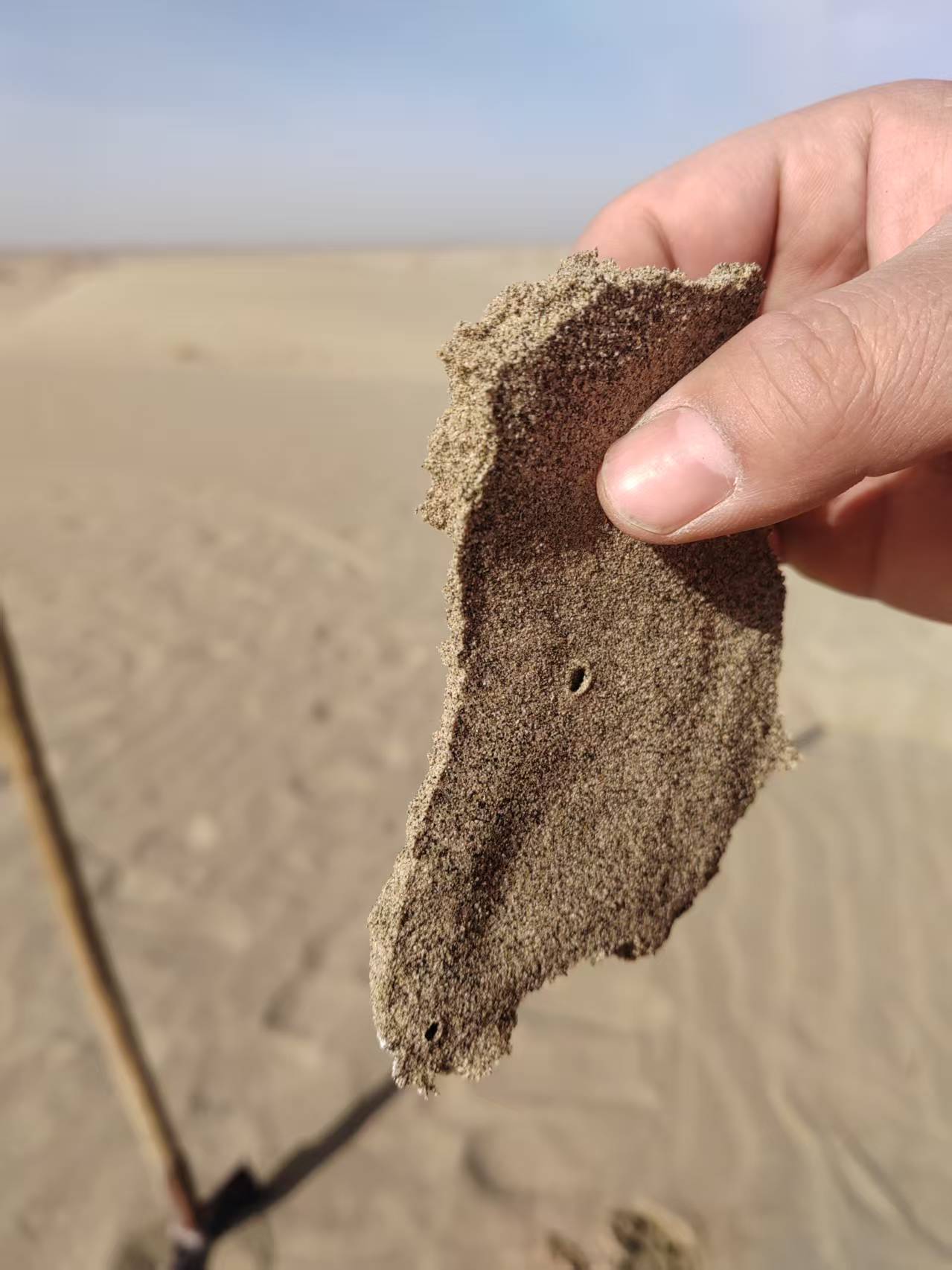
Traditional water spray systems often operate on fixed schedules or simple timers, regardless of actual conditions. This one-size-fits-all approach can lead to excessive water use, uneven cooling, and missed opportunities for energy savings. The assumption that constant moisture equals better results overlooks how easily resources are wasted when systems run without feedback or awareness of their surroundings.
Modern alternatives replace guesswork with data-driven decisions. Sensors embedded in the environment track temperature, humidity, and even human presence in real time. Algorithms then adjust spray intensity and timing to match immediate needs—ramping up only when dry heat spikes or crowds gather, and scaling back when the air is already comfortable. The shift is subtle but powerful: water becomes a precisely metered resource, not a blunt tool.
The benefits extend beyond water bills. Equipment endures less wear when it isn’t running unnecessarily, maintenance intervals lengthen, and indoor climates stay consistent without sudden dampness or chills. Building managers who adopt this mindset often find that the smartest cooling is the kind you barely notice—quiet, adaptive, and remarkably frugal with every drop.
How It Works: The Science That Makes the Difference
At the core of our approach is a process that mimics nature’s own efficiency, but with a precision that nature alone cannot achieve. We start by breaking down complex inputs into their fundamental components at a molecular level, using a carefully calibrated sequence of reactions. This isn't just about applying energy or chemicals; it's about timing and conditions that coax materials into reorganizing in ways that amplify desirable traits while minimizing waste.
What sets this apart is the feedback loop built into every stage. Sensors monitor real-time changes, and the system adjusts parameters instantaneously—like a thermostat that not only reacts to temperature but anticipates shifts before they happen. This adaptive intelligence ensures that each batch reaches a state of optimal performance without over-processing, which is why the end result consistently outperforms conventional alternatives.
The difference you’ll notice comes from this underlying harmony of forces. Instead of brute force, the method relies on synchronized micro-interactions that collectively create macroscopic improvements. It’s a bit like how a murmuration of starlings achieves seamless flight without a leader—each tiny adjustment contributes to an emergent, robust whole.
From Mines to Manufacturing: Versatile Applications
The journey of raw materials begins deep within the earth, where minerals and ores are extracted through mining. These unrefined substances might seem unremarkable, but they form the backbone of countless industries. Once hauled to the surface, they embark on a transformation that turns them into the metals, ceramics, and chemicals that fuel modern manufacturing.
Processing plants crush, sort, and refine these materials, stripping away impurities to reveal the valuable components. The resulting raw inputs—whether it's iron for steel beams, quartz for glass, or rare earth elements for electronics—flow into supply chains that span the globe. This intricate network ensures that automobile factories, construction sites, and tech companies receive the precise materials they need, when they need them.
What begins as a pile of rocks can end up as a smartphone screen or a suspension bridge cable. The versatility of mined resources is staggering, supporting everything from heavy industry to delicate medical devices. By bridging the gap between extraction and production, the mining sector enables innovation across every corner of the manufacturing world.
Protecting Lungs and Equipment Alike
Industrial and medical settings often share a hidden challenge: the same airborne hazards that threaten human lungs can also compromise sensitive machinery. Dust, chemical vapors, and microscopic particles don't just trigger respiratory issues—they settle into equipment, causing wear, corrosion, and costly failures. Addressing both risks simultaneously requires a thoughtful approach that goes beyond basic ventilation.
High-efficiency filtration systems capture contaminants before they spread, creating cleaner air for workers while preventing buildup on circuit boards, sensors, and moving parts. This dual-purpose design removes the need for separate protective measures, reducing complexity and maintenance. By trapping particles at the source, these systems help maintain peak equipment performance without sacrificing respiratory safety.
Striking this balance isn't just about installing hardware—it demands ongoing monitoring and adaptation. Filters must match the specific pollutants present, and airflow patterns need regular adjustment. When done right, the payoff is substantial: fewer sick days, longer equipment lifespans, and a workplace where neither lungs nor tools are left vulnerable.
A Cleaner Site Is a Safer Site
Keeping a workplace tidy isn’t just about appearances—it’s one of the simplest ways to prevent accidents. Loose cables, cluttered walkways, and scattered tools can turn a routine task into a hazard. When every item has a designated spot and spills are cleaned without delay, you remove the hidden dangers that often lead to slips, trips, or worse.
A clean environment also sharpens focus. Visual distractions and disarray can cause mental fatigue, making it easier to overlook safety protocols. By maintaining order, you encourage a mindset where safety becomes second nature, not an afterthought. It’s the small habits—like wiping down surfaces or properly storing equipment—that build a culture where everyone looks out for each other.
Beyond immediate safety, cleanliness extends the life of your tools and machinery. Dust, grime, and debris can cause overheating or malfunctions that put operators at risk. Regular cleaning isn’t just housekeeping; it’s preventative maintenance that keeps both people and equipment out of harm’s way.
FAQ
A dust control agent is a specially formulated product, often polymer-based or organic, that binds fine particles together to prevent them from becoming airborne. Unlike plain water, which only provides short-term relief and evaporates quickly, these agents create a durable crust or cohesive layer on the surface that lasts much longer.
Most dust control agents use hygroscopic salts, adhesives, or polymers that either absorb moisture from the air to keep surfaces damp, or form physical bonds between soil and aggregate particles. This agglomeration or agglutination makes fines too heavy to be lifted by wind or mechanical disturbance, effectively stopping dust at the source.
You’ll see the most dramatic improvements in mining, quarrying, construction demolition, unpaved haul roads, and large-scale material handling operations. Any place with heavy vehicle traffic and loose particulate matter—like aggregate processing plants or bulk storage terminals—benefits immensely from it.
Water has to be reapplied constantly, leading to high labor, equipment, and water usage costs. A good dust control agent reduces the frequency of application, cuts water consumption by up to 90%, and provides consistent dust suppression even under hot or windy conditions. That means less downtime for re-watering and better compliance with air quality regulations.
Most modern dust control agents are non-toxic, non-corrosive, and biodegradable, so they pose minimal risk to people and the surroundings. Standard personal protective equipment like gloves and safety glasses is usually enough during application, but it’s always wise to follow the manufacturer’s safety data sheet for specific guidance on a product.
Depending on the product, substrate, and traffic levels, a single application can last anywhere from several days to several months. This contrasts with water trucks that might need to run multiple times a day. Some agents even offer residual control that reactivates with light rain or humidity, extending the effectiveness further.
Absolutely. The versatility is one of its biggest selling points. You can spray it directly onto haul roads, open gravel yards, exposed construction soils, coal or ore stockpiles, and even on conveyor belt transfer points. It adapts to both horizontal and sloped surfaces without running off too quickly.
The key factors are the material you’re treating (sand, clay, gravel, etc.), expected weather conditions, traffic volume, and any environmental restrictions on site. Also match the product’s longevity claims to your operational schedule—some are designed for short-term projects while others go deep into long-term stabilization.
Conclusion
Dust control agents offer a groundbreaking shift in how we manage airborne particulates, transforming them from a persistent hazard into settled, manageable dust. Unlike traditional water sprays that merely dampen surfaces temporarily, these specialized formulations chemically bind fine particles, preventing them from becoming airborne again even after drying. The science behind them involves advanced surfactants and polymers that alter the surface tension of water, allowing it to penetrate and agglomerate dust at the microscopic level. This not only knocks down dust more effectively but creates a lasting crust that withstands traffic and wind, drastically reducing re-entrainment. From coal mines to cement plants, their versatility makes them indispensable across industries where dust is a constant challenge.
The impact on health and safety is profound. By drastically lowering respirable dust levels, these agents protect workers from silicosis, black lung, and other chronic diseases, while also shielding heavy machinery from abrasive wear that leads to costly breakdowns. A cleaner worksite doesn’t just meet regulatory standards—it boosts morale, enhances visibility, and cuts cleanup time, fostering a culture of proactive risk management. Ultimately, the adoption of dust control agents represents a smarter, more sustainable approach, turning dusty, dangerous environments into safer, more productive spaces for everyone on site.
Contact Us
Contact Person: Helen
Email: [email protected]
Tel/WhatsApp: 86 18630661160
Website: https://www.roadmilestone.com/