

FIP Injectable GS-441524 Factory: What to Consider Before Choosing
2026-08-28
When your feline friend is fighting FIP, every hour matters. Injectable GS-441524 remains the cornerstone of treatment, but not all factories are created equal. Before you trust a supplier with your cat's recovery, there are critical factors to weigh—purity, sterility, batch consistency, and transparent sourcing. At Lucpets, we believe informed owners make better decisions. Here's what to look for before choosing a GS-441524 factory.
Tour the Facility’s Cleanroom—or Walk Away
A legitimate cleanroom isn't a conference room with a gowning bench bolted by the door. Insist on walking the full perimeter, watching how materials enter, how air returns, and how the floor itself is cleaned. If the tour avoids the pass-through or waves off a question about particle counts, that silence is data.
Pay attention to the people inside. Do they move like they've rehearsed sterile protocol until it became reflex, or do they lean on surfaces and adjust masks with gloved hands? Ask to see the latest viable and non-viable monitoring logs. A facility that hesitates to share those numbers is telling you what an audit will eventually confirm.
You don't need to be a cleanroom engineer to spot the difference between a controlled environment and a stage set. Look for pressure differentials on the doors, sticky mats that actually get replaced, and a layout that separates raw materials from finished product. If the tour feels more like a sales pitch than a process walk, walk away before your specs do.
Ask for the Full Batch Record, Not Just the Certificate
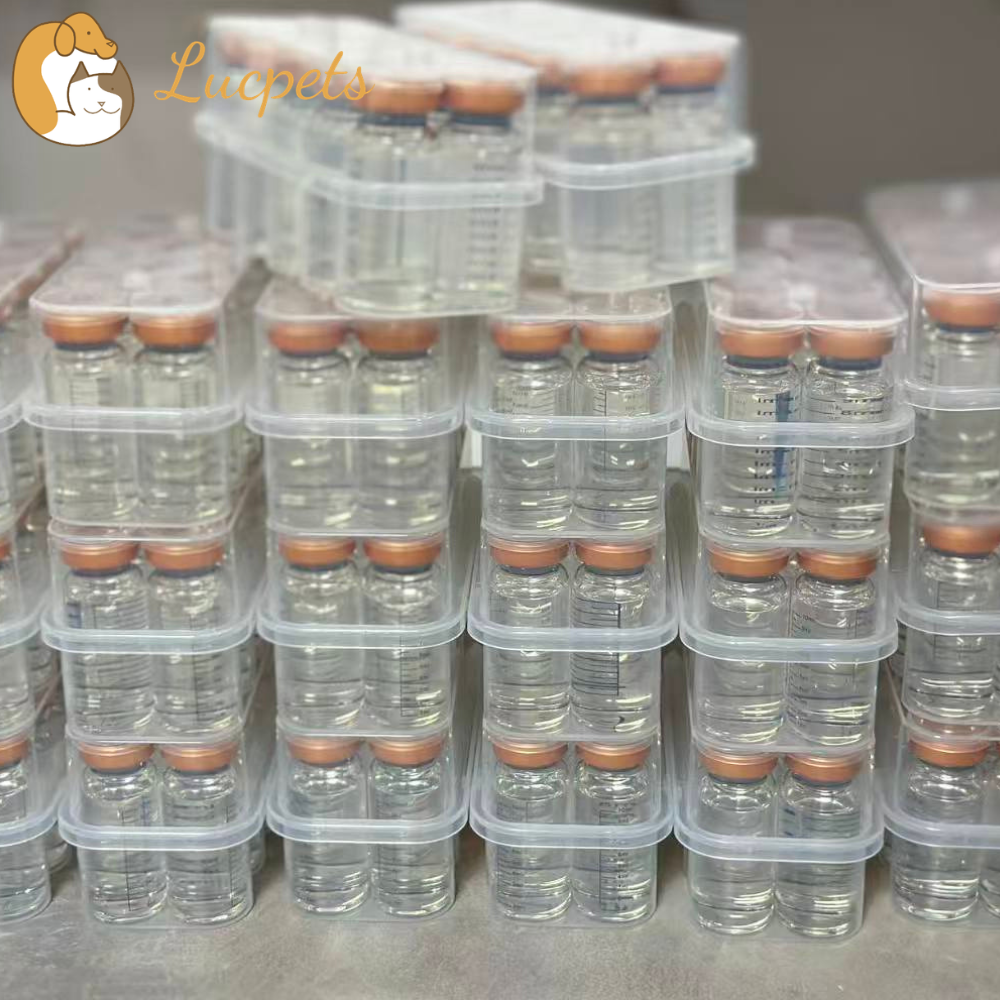
A certificate of analysis looks reassuring, but it's often just a condensed summary of selected test results. It won't show you the raw data, the exact equipment settings, or the deviations that were quietly handled mid-production. Requesting the full batch record means you want the unedited production history, not a polished final page.
Batch records contain the details that certificates leave out: in-process measurements, cleaning logs, operator notes, and any out-of-spec investigations. If a supplier hesitates to share these documents or hides behind the word "confidential," that's a red flag. A manufacturer with genuine quality controls will provide the relevant portions without making you negotiate for them.
Making this request also shifts how suppliers perceive you. They stop seeing a passive buyer and start treating you as a partner who checks the actual process. You'll uncover inconsistencies that a certificate would never reveal, and you'll get a much clearer sense of whether their quality system is operational or just decorative.
Confirm Independent Stability Testing at Multiple Time Points
Stability data only earns its place in a submission when it comes from testing that stands apart from the original development work. Relying on a single early readout or the same team's repeated measurements can quietly bake in bias, even when nobody intends it. Independent testing at multiple time points acts as a check against that drift: each scheduled pull from the chamber is analyzed by a separate group or facility using validated methods, so the numbers have to stand on their own. This separation matters most in the middle and late stages, where small changes in impurity profiles or assay values can decide whether a shelf life is defensible.
Spreading those independent checks across several intervals does more than add data points; it reveals the shape of degradation. A product might look fine at three months and again at six, but the gap between those points can hide a nonlinear drop that only becomes visible at nine or twelve. By confirming stability at multiple time points instead of a single endpoint, you capture the actual kinetic behavior and can distinguish normal variability from a real trend. That granularity is what regulators and internal reviewers use to judge whether the proposed storage conditions and packaging are truly protective over the intended shelf life.
There is also a practical benefit to running independent tests in parallel with routine monitoring. When the independent results line up with the primary data across all time points, confidence in the stability profile grows without much extra argument. When they diverge, it highlights a method transfer issue, a handling problem, or an environmental factor that might otherwise go unnoticed. That kind of early signal is exactly why multiple time points are non-negotiable for anyone who wants a robust stability package rather than a paper exercise.
Probe How They Source and Verify the Raw Nucleoside
Sourcing for raw nucleosides starts well before a purchase order is placed. The team maintains a short list of manufacturers who have passed on-site audits covering everything from reactor cleanliness to solvent recovery. Each incoming batch is required to arrive with a certificate of analysis that lists the exact synthetic route, residual solvent profile, and the name of the quality control chemist who signed off.
Verification doesn't stop at paperwork. In-house testing runs every lot through HPLC with charged aerosol detection for purity, LC-MS for molecular weight confirmation, and quantitative NMR when there's any ambiguity about isomer ratios. A subset of lots is also sent to an independent lab in Europe for blind cross-checking, which keeps the internal team honest.
If a batch fails any of these checks, it is rejected outright and the supplier is placed on a corrective action plan. This level of scrutiny isn't about being difficult; it's about ensuring that the nucleoside you receive behaves identically in downstream reactions, lot after lot.
Look for a Pharmacovigilance Plan, Not Just a Sales Team
A polished pitch deck and a confident sales team can make any drug candidate feel like a sure thing, but the real test of a partner's credibility is what happens after the handshake. Too many companies discover that their vendor's interest in patient safety is limited to a few slides and a phone number that rings during business hours. The absence of a concrete, operational pharmacovigilance plan is not just a red flag—it's a warning that the other side hasn't thought through the long-term consequences of a serious adverse event report landing at 2 a.m.
Dig into the mechanics before you sign anything. Ask how case intake is triaged on weekends, who reviews signal detection data, and what the escalation path looks like if a regulatory authority requests a safety update within 24 hours. A partner that can walk you through their workflow, name the responsible individuals, and show you actual examples of past safety reports demonstrates that pharmacovigilance is baked into their daily operations—not bolted on as an afterthought to win the contract.
Ultimately, a sales team can sell you a vision, but only a mature pharmacovigilance framework can protect your patients and your regulatory standing. If the answer to your questions is a vague promise to "figure it out later," walk away. The right partner will treat safety monitoring as the backbone of the relationship, not an appendix to the commercial agreement.
Compare Real-World Treatment Outcomes, Not Marketing Claims
Physicians quickly learn that slick brochures and polished websites rarely reflect what happens in a busy clinic. The real test is how a treatment performs when patients miss doses, have multiple chronic conditions, or cannot afford the latest brand-name option. Instead of relying on industry-sponsored summaries, look at registry data, independent cohort studies, and long-term safety surveillance. For example, a drug that shines in a tightly controlled trial might show mediocre adherence and frequent side-effect-related discontinuation in everyday practice. Those gaps matter more than any headline efficacy number.
Treatment decisions should start with the patient in front of you, not the idealized patient from a pivotal trial. Ask what similar patients actually experienced: Did their symptoms improve enough to justify the hassle or cost? Were there unexpected interactions with common medications like antihypertensives or antidepressants? Seek out local pharmacy dispensing records, electronic health record queries, and peer discussions at clinical meetings. Real-world evidence often reveals that a cheaper, older therapy works just as well as a heavily marketed newcomer, especially when accounting for convenience and tolerability.
Finally, be wary of surrogate endpoints dressed up as patient-centered outcomes. A drop in a lab value or a prettier scan does not always translate into longer survival or better quality of life. Look for studies reporting hospitalizations avoided, symptom burden reduced, or daily function preserved over months and years. Compare those outcomes across available options, and let that comparison guide your recommendations. Marketing claims fade; real-world results, even messy and imperfect, are what your patients will live with.
FAQ
A real factory will typically allow an on-site audit or at least a live video walkthrough of the production area, not just send a PDF certificate. Ask whether they compound the active pharmaceutical ingredient in-house or purchase it from a third-party lab and only handle filling. If they hesitate to show cleanroom logs, batch records, or the actual sterility testing setup, that is a red flag. Look for a manufacturer that can name the specific equipment used for aseptic filling and the grade of their cleanroom.
It is one of the few ways to verify what the factory claims. Request a recent certificate of analysis from an independent laboratory that is not affiliated with the manufacturer, covering purity, endotoxin levels, and sterility. Some factories only provide in-house HPLC reports, which can be biased or outdated. A supplier that pushes back on independent testing or asks you to pay extra for the right to send samples to your own lab may not be confident in their batch consistency.
Most injectable GS-441524 is supplied at 15 mg/mL or 20 mg/mL, but the exact concentration affects dosing math and can change treatment cost. Ask whether the solution is stable at room temperature or requires refrigeration, what buffering agents are used, and whether the vial contains preservatives if it is intended for multi-dose use. Confirm the pH range and whether the factory has data on particulate matter after accelerated stability testing, not just a theoretical shelf life.
Low prices often hide shortcuts: substandard vials that crack under pressure, rubber stoppers that react with the solvent, or loose fill volume so you get less drug per vial. There may also be hidden fees for cold-chain packaging, customs documentation, or replacement of batches that fail your own testing. Ask for the total landed cost per milligram of active ingredient, including shipping, insurance, and any minimum order quantity penalties, before comparing quotes.
Ask for their environmental monitoring records from the last three months, not just a one-time validation report. A serious injectable manufacturer should be able to provide data on viable and non-viable particle counts, surface sampling, and media fill simulations. If they mention they use terminal sterilization rather than aseptic processing, ask for proof that the product remains stable and potent after that cycle, because heat or irradiation can degrade GS-441524.
Be cautious if the salesperson avoids technical questions and only repeats that they have high purity 99 percent. A legitimate factory will discuss batch size, raw material source, and when they last had a regulatory inspection. Watch for inconsistencies: a certificate of analysis dated before the batch was produced, a GMP certificate that belongs to a different company, or vague answers about the actual location of production. Also check whether they are willing to provide a small trial batch before you commit to a large order.
Specialization often helps because veterinary injectables for FIP have unusual requirements, such as small-volume orders, frequent batch changes, and the need for a formulation that remains stable without harsh solvents. A general factory may treat GS-441524 as just another liquid fill and miss nuances like stopper compatibility or pH drift over time. Ask whether they have produced this specific molecule before and how many consecutive batches they have shipped to other customers.
Yes, ask for references from buyers who have ordered injectable GS-441524 in the past six to twelve months, not years ago. If the factory refuses, it does not always mean they are hiding something, but it limits your ability to verify claims about delivery time, batch consistency, and how they handle complaints. At minimum, check independent forums or buyer groups where people share factory experiences, and ask about replacement policies for vials that arrive broken or fail sterility tests.
Conclusion
A factory's willingness to let you walk through its cleanroom says more than any brochure. If they hesitate or make excuses about visitor policies, that's a red flag you can't afford to ignore. Pay attention to how airlocks, gowning procedures, and environmental monitoring actually work on the floor, not just on paper. Beyond the tour, don't settle for a certificate of analysis that conveniently lists only pass/fail results. Ask for the complete batch record for the lot you're considering, including raw data from in-process checks, deviations, and any retests. A trustworthy manufacturer won't hide the messy details. Equally important is independent stability testing. Many factories will show you a single time point and call it proven, but GS-441524 in injectable form can degrade over months. You want data from a third-party lab at three, six, nine, and twelve months, with both potency and impurity profiles. If they can't produce that, you're buying hope, not evidence.
Dig into how the factory sources and verifies the raw nucleoside. GS-441524 starts with a nucleoside intermediate, and cheap suppliers sometimes cut corners on chiral purity or residual solvents. Ask for the vendor qualification file, inbound QC testing, and a mass balance that traces each batch back to its raw material lot. A real pharmacovigilance plan is another marker of a serious operation. If the manufacturer has no system for collecting adverse event reports, following up on treatment failures, or issuing recall procedures, then they are just moving vials, not supporting patients. Finally, push past marketing claims and look at real-world treatment outcomes. Request anonymized case data from actual FIP cats treated with their injectable, not just the cherry-picked success stories. Compare relapse rates, survival at 84 days, and how the factory handles suspected resistance. A factory that shares honest outcome data, including the tough cases, is one you can actually trust.
Contact Us
Contact Person: Aaron
Email: [email protected]
Tel/WhatsApp: +86 18177165140
Website: https://www.lucpetsglobal.com