

High Quality Food Grade Adsorbent Silica: Ensuring Purity and Safety in Your Products
2026-05-21
When safeguarding food quality, even invisible threats like moisture and impurities can derail a brand’s reputation. Enter food-grade adsorbent silica—an unsung hero that locks away contaminants without leaving a trace. At Zhonglian, we've honed this technology to deliver uncompromising purity, making it easier for you to meet rigorous safety standards. Curious how such a fine powder can make or break product integrity? Let's dive in.
Understanding Food Grade Adsorbent Silica
Food grade adsorbent silica, often derived from high-purity sand, plays a quiet but vital role in keeping many of our everyday powdered ingredients free-flowing and clump-free. Its structure is engineered at a microscopic level, creating countless nano-sized pores that act like tiny sponges. Unlike silica gel used for drying electronics, this form is specifically processed to meet strict safety standards, ensuring it doesn't alter the taste, color, or nutritional profile of foods. When you sprinkle grated parmesan without it turning into a solid block or watch a spice mix pour smoothly from its jar, you're witnessing this unsung mineral at work.
What makes this particular silica so effective lies in its immense surface area—just one gram can stretch out to cover several hundred square meters. This expansive territory allows it to capture moisture, oils, and other liquids that would otherwise bridge particles together, causing caking. Moreover, food manufacturers value its ability to carry liquid flavors or nutrients, transforming them into easy-to-handle powders. From instant soup mixes to powdered sugar, the silica simply holds molecules in place through physical adsorption, a reversible process that doesn’t create chemical bonds, preserving the original quality of the product until it reaches your table.
Beyond anticaking, its uses extend into clarifying beverages like beer and wine, where it selectively pulls out haze-forming proteins without stripping desirable flavors. It also serves as a carrier for essential ingredients in vitamin premixes and dry beverage blends, ensuring uniformity from the first scoop to the last. While the name might sound industrial, its long history of safe use and rigorous testing confirm that this inert, non-digestible mineral passes through our systems without being absorbed. Next time you glance at an ingredient label and spot silicon dioxide, you can appreciate the careful science that keeps your pantry staples in perfect condition.
How Silica Gel Safeguards Product Freshness
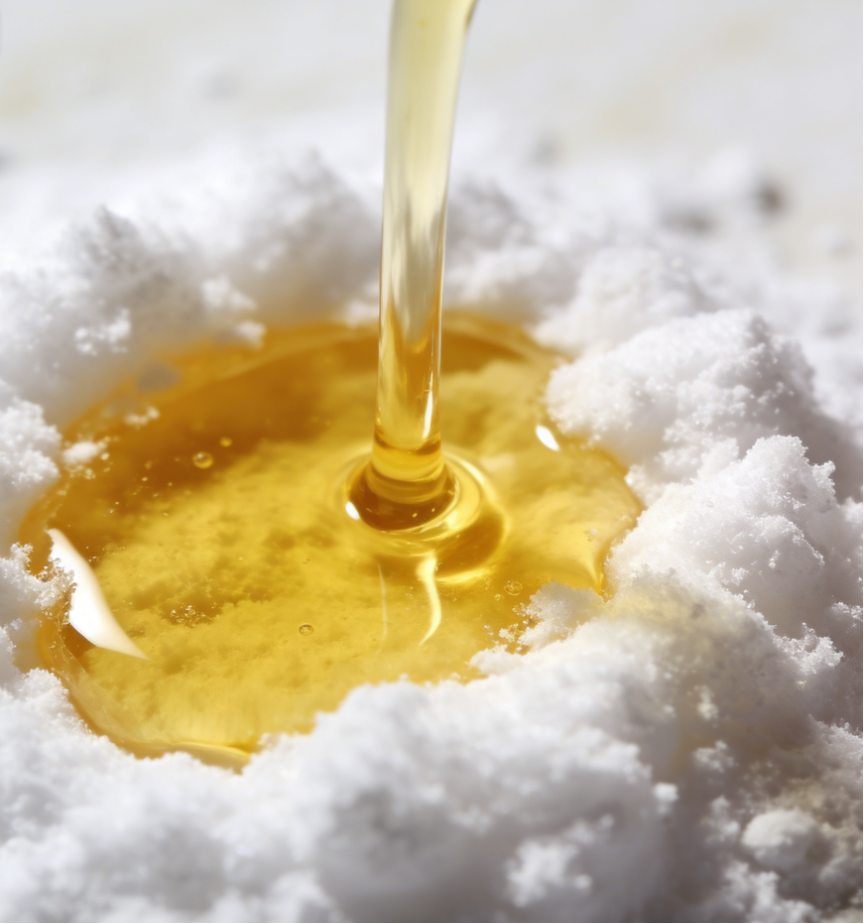
Silica gel works quietly behind the scenes, pulling moisture out of the air before it can wreak havoc on sensitive products. Those tiny beads are filled with countless microscopic pores that trap water vapor, effectively lowering the humidity inside packaging. It’s a simple physical process—no chemicals, no reactions—just a thirsty material sipping up dampness that would otherwise lead to clumping, mold, or degradation.
Think of it like a desiccant bodyguard. From leather goods and electronics to dried foods and vitamins, silica gel absorbs humidity that sneaks in during temperature shifts or long storage periods. By maintaining a dry microclimate, it prevents that sticky, stale, or spoiled fate so many products suffer when left unprotected. Without this unassuming pack, freshness would have a much shorter shelf life, literally.
Even the packets themselves are engineered for safety—often enclosed in breathable materials that let moisture in but keep the beads contained. You’ll find them tucked into shoeboxes, jerky bags, and pill bottles, tirelessly working so that when you finally open that package weeks or months later, the contents feel just as crisp, potent, and fresh as the day they were sealed. No noise, no fuss, just dry air and lasting quality.
Key Applications Across the Food Industry
From farm to fork, advanced technologies are reshaping how we grow, process, and deliver food. Precision agriculture uses sensors and data analytics to optimize irrigation and fertilizer use, boosting crop yields while conserving resources. Meanwhile, in processing plants, automation and machine vision systems sort, grade, and package products at speeds unthinkable a decade ago, minimizing waste and ensuring consistent quality.
The cold chain has seen remarkable improvements with IoT-enabled tracking, letting suppliers monitor temperature and humidity in real time during transit. This not only slashes spoilage but also helps retailers meet safety regulations without constant manual checks. In restaurants and cloud kitchens, smart kitchen equipment learns cooking patterns, adjusts energy use, and even predicts maintenance needs before a breakdown occurs.
On the consumer side, apps that scan barcodes for detailed origin and nutrition information are gaining traction, giving people greater transparency into what they eat. Food manufacturers are also adopting digital twins to simulate production lines and pilot new recipes virtually, cutting down on trial-and-error costs. Together, these applications are quietly woven into daily operations, making the food supply more resilient and responsive to shifting demands.
Rigorous Quality Control from Source to Finished Product
Every raw material that enters our facility undergoes a battery of tests before it ever touches the production line. We analyze composition, purity, and physical properties using advanced spectrometry, chromatography, and mechanical stress assays. Suppliers are vetted through unannounced audits, and anything that doesn't match our reference standards is rejected on the spot—no exceptions, no second chances.
During manufacturing, automated sensors and skilled technicians work in tandem to monitor critical parameters at every stage. Temperature, pressure, and timing tolerances are tighter than industry norms, and real-time data feeds into a central QC dashboard. If a reading deviates by even a fraction, the process pauses until the issue is resolved. Finished units aren't just sampled—each one is individually tested for performance, durability, and safety, then logged with a unique identifier that traces back to the batch, the machine, and the operator.
This end-to-end chain of accountability means the product you receive isn't just statistically likely to be flawless—it has been proven so, repeatedly. Our defect rate hovers at levels most manufacturers don't publish, and we keep it there through a culture where quality isn't a department, but a reflex.
Environmental Impact and Sustainable Practices
Our daily choices, from the food we eat to how we power our homes, quietly shape the world around us. The cumulative effect of these decisions—carbon emissions, water use, waste generation—creates a footprint that’s often larger than we realize. Understanding this interconnectedness is the first step toward meaningful change, pushing us to look beyond convenience and consider the long-term toll on ecosystems, climate stability, and public health.
Forward-thinking communities and businesses are reimagining systems with nature in mind. Instead of simply managing waste, they’re designing it out entirely through circular models where materials get reused rather than discarded. Agriculture is pivoting to methods that strengthen soil health rather than drain it, and the construction sector is experimenting with materials that actively capture carbon. These shifts aren’t just technical fixes—they demand a rethinking of value, durability, and our relationship with resources.
What stands out now is how these lower-impact approaches often spark creativity rather than sacrifice. Local initiatives like tool-sharing libraries, neighborhood composting hubs, and repair cafes are cropping up, proving that sustainability can weave people together. The quiet revolution isn’t about perfection—it’s about collective momentum, where small, consistent actions gain weight and start reshaping norms in promising ways.
Choosing the Right Silica Solution for Your Needs
Selecting an appropriate silica product starts with understanding the specific demands of your application. Whether you need fumed silica for thickening and anti-settling in coatings, or precipitated silica for reinforcement in rubber, each variant brings distinct particle sizes and surface chemistries. The key is to match the silica’s technical profile—like surface area or aggregate structure—with the performance requirements of your formulation, such as rheology control, mechanical strength, or optical clarity.
Processing conditions also play a critical role. Some silicas disperse readily under low shear, while others demand high-energy mixing to unlock their full potential. Consider how the material will be incorporated: if your process involves aqueous systems, a hydrophilic grade might suffice, but for challenging non-polar media, a hydrophobic treatment could be essential to achieve compatibility and long-term stability. Overlooking these factors can lead to inconsistent batches or underwhelming performance, even with the right base silica.
Finally, don’t underestimate the value of supplier expertise and reliable support. A partner who offers robust technical guidance and consistent quality from batch to batch can make all the difference, especially when scaling from lab to production. Sampling options and application testing help validate choices before full commitment, reducing risk and ensuring the silica integrates seamlessly into your product without unwanted side effects.
FAQ
Food grade adsorbent silica is a highly porous form of silicon dioxide specifically manufactured to meet stringent purity standards for contact with food and beverages. Unlike industrial grades, it undergoes rigorous processing to remove impurities and ensure it doesn't introduce harmful contaminants. This makes it safe for use as a clarifying agent, anti-caking additive, or moisture scavenger in food production.
You'll find it in a surprising range of items—everything from powdered drink mixes and spices to edible oils and beer. It prevents clumping in dry ingredients, removes haze-forming proteins in beverages, and controls moisture in packaged snacks. Essentially, it helps maintain texture, appearance, and shelf life without altering taste or odor.
By selectively trapping unwanted molecules like water, dissolved impurities, or haze particles, it acts as a purification tool. For instance, in oil refining, it adsorbs free fatty acids and soap residues, improving clarity and stability. Because it's inert and doesn't react with food components, it eliminates risks of chemical contamination while enhancing overall product quality.
Key factors include compliance with regulations like FDA or EU food additive standards, consistent particle size distribution for reliable performance, and documented purity testing for heavy metals and other contaminants. A reputable supplier will also provide technical support and batch-to-batch consistency. Don't settle for vague claims—request certificates of analysis and validate through third-party audits if possible.
Yes, proper handling is crucial. It's highly hygroscopic, so storage containers must be sealed and kept in a dry environment to prevent pre-adsorption. Also, because fine powders can be dusty, use appropriate ventilation and personal protective equipment to avoid inhalation. Always follow the supplier's guidelines to maintain its effectiveness and workplace safety.
Absolutely. Many manufacturers opt for silica that's compliant with organic standards or derived from natural mineral sources. It's often considered a clean-label ingredient because it functions without synthetic chemicals. However, always check certification requirements for your specific market, as organic regulations can vary. Transparent sourcing and minimal processing further support its suitability for natural brands.
Conclusion
Food-grade adsorbent silica stands as a cornerstone of modern product preservation, leveraging its exceptional porosity and chemical inertness to safeguard purity without altering taste, texture, or nutritional value. By selectively trapping moisture, odors, and degradation-triggering compounds at the molecular level, it extends shelf life in everything from powdered beverages and spices to nutritional supplements and snack packaging. This non-reactive, tasteless powder works silently within sachets, canisters, or integrated packaging films, maintaining crispness, preventing clumping, and blocking the growth of mold and bacteria. Crucially, its compliance with global food safety regulations (including FDA 21 CFR and EU directives) means manufacturers can confidently integrate it into direct-contact applications, knowing it meets the strictest purity thresholds.
Behind every reliable silica solution lies an unbroken chain of quality control—from the selection of ultra-pure raw materials to finished product testing for adsorption capacity, particle size distribution, and heavy metal limits. Progressive manufacturers pair this rigor with sustainable practices: regenerable silica systems, reduced water and energy footprints, and recyclable packaging cut waste without compromising performance. When sourcing, food producers must weigh factors like relative humidity targets, desired adsorption speed, and specific packaging formats, opting for tailored solutions that marry efficacy with operational sustainability. In an era of clean-label demand and global supply chains, the right silica partner delivers more than desiccation—it provides a measurable vote of confidence in product integrity from first mile to final consumer.
Contact Us
Contact Person: Levin Wang
Email: [email protected]
Tel/WhatsApp: 8618668999988
Website: https://www.silicaplant.com/