
OEM Fashion Lanyard Styles That Elevate Custom Branding and Daily Wear
2026-11-16
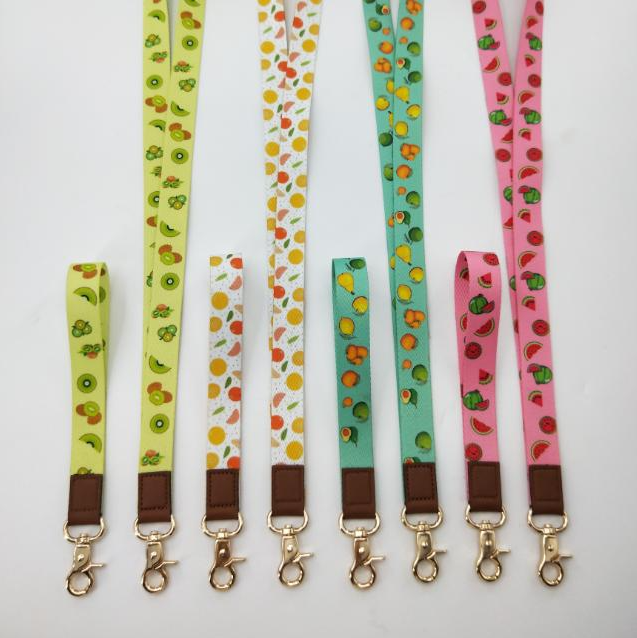
A lanyard is rarely the loudest item someone wears, but it is often the most seen. That quiet visibility is exactly why OEM fashion lanyards deserve more than a logo slapped on a strap. DONGCHUANG treats them as compact branding tools that also have to survive daily wear. The styles below show how material, hardware, and print choices can shift a lanyard from forgettable office gear to a detail people associate with your brand.
Why Fashion Lanyards Are Quietly Replacing Basic Neck Straps
Most basic neck straps feel like an afterthought: stiff polyester webbing, a clunky plastic buckle, and maybe a logo stamped in white. Fashion lanyards start from a different place. Woven jacquard, braided cord, soft cotton blends, and slim leather tabs turn a utility item into something you actually want near your collar. Since a lanyard sits at eye level next to your face, those material choices show up immediately.
There is also a low-risk appeal. Swapping a lanyard is cheaper and less permanent than changing a uniform, so people use it to add a little personality in offices, clinics, and schools that otherwise keep dress codes fairly neutral. A muted windowpane check or a tortoiseshell buckle reads as intentional without being loud. Event planners and HR teams have caught on, often choosing designs people are more likely to keep than toss in the first trash can after check-in.
The shift also tracks with how IDs are worn now. With hybrid schedules and badge readers moving to phones or desk stands, a neck strap is no longer an all-day necessity. When people do wear one, it tends to be for a short stretch, so they are less willing to tolerate scratchy edges or a generic strap that clashes with a blazer. The basic version now feels like leftover conference swag; the fashion version feels like a deliberate small accessory.
Wearing a Brand Around Your Neck Without Looking Like a Trade Show
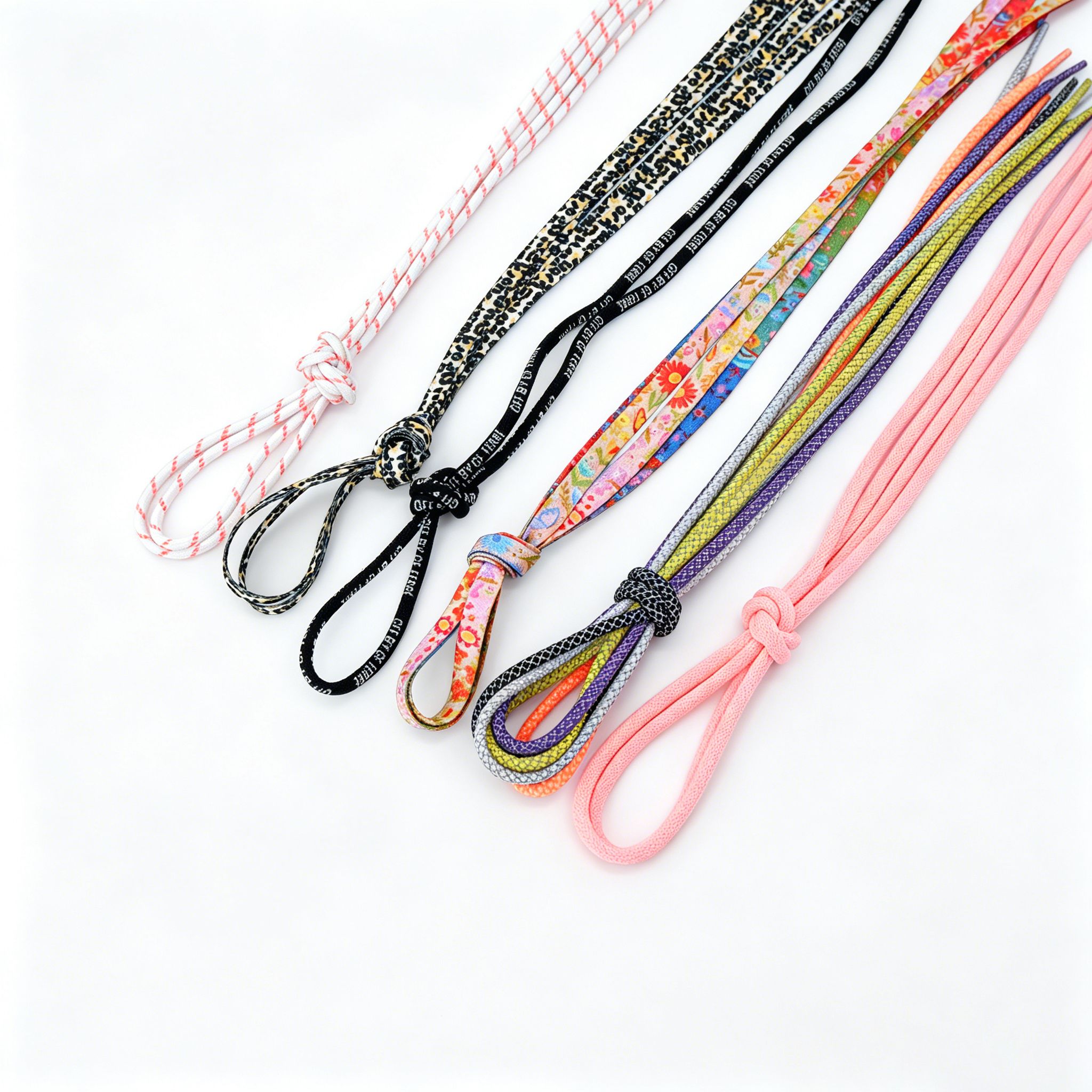
The fastest way to kill a logo pendant is to pair it with a polyester lanyard and a plastic badge sleeve. Trade show energy clings to anything that looks issued rather than chosen. Swap the strap for a thin curb chain, a braided leather cord, or even a strand of matte beads, and the same metal mark starts to read as a deliberate accessory instead of conference swag.
Scale matters more than most people expect. A palm-sized logo plate screams sponsorship, while a dime-sized tag or a signet-style engraving can sit close to the collarbone and pass as a private joke. Look for pieces where the branding is recessed, hand-stamped, or moved to the reverse side, so the finish and silhouette carry the look before the name does.
Layering also dissolves the sales-floor effect. When a branded charm is buried between two or three unbranded chains of different lengths, it becomes texture rather than a headline. The eye registers metal, shine, and shape first, and only later notices the familiar monogram hiding in the stack.
Eco-Conscious Weaves That Soften the Hard Sell of a Logo
A logo stitched in loud contrast thread asks for attention; a logo woven into undyed organic cotton barely raises its voice. The shift starts with material choice. Slubby hemp, recycled wool, and low-impact linen carry enough natural irregularity that a monogram can sit inside the texture instead of on top of it. The weave becomes the frame, and the brand mark turns into a detail you notice on the second or third glance.
This approach works because it trades visibility for intent. A tonal jacquard or a tiny selvedge tab made from offcut yarn gives the eye somewhere to rest without interrupting the garment. Designers are also using negative space and ribbed structures to spell initials through shadow rather than ink. The result feels less like a billboard and more like a maker signing their work in pencil.
For customers who are already wary of logos, that restraint reads as confidence. It suggests the product does not need to shout, and the materials speak first. When the weave itself carries the identity, the branding becomes part of the object rather than an advertisement attached to it.
Hardware Finishes People Actually Keep After the Event Ends
Most promotional items die in the tote bag, but finish samples have a strange staying power. Brushed brass, oil-rubbed bronze, matte black, and champagne bronze chips slip into pockets because they solve a practical problem after the booth closes: matching colors, comparing textures, or settling a design argument. The best samples feel more like hardware store assets than branded handouts, so they end up on desks, in glove boxes, or taped to a project board.
The finishes that survive a post-event cleanout usually have real weight, a tidy edge, or a texture that makes people want to touch them. Matte black and champagne bronze disappear quickly because they look current and photograph well. Brushed nickel stays because it matches existing fixtures without a second thought. In every case, the material itself carries the moment; the logo on the back stays quiet enough that keeping it never feels like keeping an ad.
Weeks later, these little metal squares become quiet reference tools. A designer might hold one against a cabinet door, a contractor might leave one on a truck console, or a homeowner might drop one into a junk drawer that somehow still gets opened during renovations. The event fades, but the sample remains useful, and that usefulness is exactly why it avoids the trash.
Limited-Run Prints That Make Staff Badges Feel Like Collectibles
Most event badges end up in a drawer, forgotten the moment the lights come up. Limited-run prints flip that script by turning a functional credential into something people actually want to keep. When each badge carries a numbered edition, a unique foil stamp, or a hand-pulled screen print, it stops being a pass and starts feeling like a small piece of art you happened to be trusted with.
The collectible angle works because scarcity does some quiet psychological work. A staff badge that only exists in 200 copies doesn't just identify you—it marks you as part of a closed loop. That small print run invites closer looking: the slightly off-register ink, the deckled edge, the glow-in-the-dark layer that only shows after the venue goes dark. These details reward attention in a way generic lanyards never could.
Designing for keepsake value also changes how crews treat their own access. When a badge feels precious, people handle it differently—no more crumpled corners or coffee rings on the laminate. It becomes a quiet point of pride, traded after the event or pinned to a studio wall. For organizers, that tiny investment in a short print run buys a longer memory than any generic pass ever will.
Matching Lanyard Widths to Uniform Fabrics for a Tailored Fit
A lanyard that feels wrong against a uniform usually comes down to width, not just length. Heavier fabrics like twill, canvas, or thick polyester blends need a wider strap, typically 20mm or 25mm, so the lanyard sits flat instead of twisting against the dense weave. Narrow 10mm or 15mm options tend to look lost on structured shirts and can dig into the collar area when worn for a full shift.
For lighter uniform materials such as poplin, oxford cloth, or performance knits, a 15mm lanyard often provides the right balance. It stays visible without overpowering the garment's drape, and it moves more naturally with the fabric during bending or reaching. If the uniform includes a zip front or reinforced placket, the strap edge should not create a ridge beneath the fabric, so a medium width with rounded edges works better than a flat, sharp-edged weave.
The attachment hardware also plays a role in how width interacts with the uniform. A wider lanyard paired with a bulky swivel hook can pull the collar or shoulder seam out of line, while a slim strap with a small trigger clip keeps the profile clean. Matching the strap's stiffness to the fabric's hand is the practical detail that separates a generic accessory from one that feels like part of the uniform.
FAQ
The difference usually comes down to material feel, hardware finish, and how the branding is applied. Wider woven bands, matte metal clips, subtle tone-on-tone logos, and attachment details like a small leather tab or contrast stitching make it feel like part of an outfit rather than a temporary ID holder.
Tubular polyester and soft woven nylon are the most dependable for repeated wear. They resist fraying at the edges, keep their shape around the neck, and handle moisture better than thin flat polyester. If you want a softer touch, bamboo fiber blends work well but usually cost more per unit.
Keep the hardware finish consistent and scale it down. A slim matte black or brushed gold trigger clip, a narrow safety breakaway, and a small debossed metal tab do more than oversized shiny parts. The trick is letting one or two custom elements carry the visual weight.
Instead of printing the logo across the whole strap, try a fine repeating monogram, a two-tone reversible weave, or a gradient that shifts between two brand colors. Dark bases with a single bright edge stripe also tend to look sharper in person and hide everyday wear better than white or neon backgrounds.
Design it for the person, not just the brand. Shrink the branding into a small woven pattern or place it near the hardware, choose colors that match common jackets and bags, and include a detachable phone loop or key ring. When it feels useful and not like a walking advertisement, people are far more likely to keep it.
They do. Woven designs are dyed into the fibers, so they have a fabric-like texture and hold up well through washing and friction. Printed lanyards can capture fine gradients and full-color artwork, but the image sits on the surface and can crack or peel faster with heavy use. For bold logos, weaving usually looks more premium.
A width between 3/4 inch and 1 inch gives enough surface for branding without digging into the neck. Length is more personal, but an adjustable range around 17 to 20 inches works for most adults. If the lanyard holds heavier items like keys or tools, stay closer to 1 inch and use a wider, soft neck section.
A textured jacquard band with a muted color palette and custom metal ends tends to feel more curated than a glossy printed strap. Pairing the lanyard with matching packaging tones or a small hangtag detail also helps it feel like part of the product story rather than a last-minute add-on.
Conclusion
Basic neck straps are losing ground because they do one job and nothing else. Fashion lanyards now carry the same practical weight but feel closer to a slim fabric accessory than a piece of event clutter. A logo works best when it is woven into the texture instead of printed across shiny polyester, so staff can grab coffee after a shift without looking like they just stepped off a trade show floor. Limited-run colorways and small-batch prints push that further. Badges start to feel like collectibles, and people compare color pulls or keep the strap long after the event. OEM work here means brands can adjust the weave, repeat pattern, and edge binding until the lanyard reads as daily wear rather than a free giveaway.
Eco-conscious weaves take the hard sell out of a repeated logo because the texture itself carries much of the visual interest. Recycled cotton, bamboo blends, or low-impact dyes give the strap a matte, lived-in look that softens bright branding. Hardware matters after the doors close. Brushed nickel, gunmetal, or matte black finishes resist scratches and glare, so the clip does not end up in a drawer by Monday. Width is the final tailoring cue. A narrow braid sits quietly against lightweight shirting, while a wider strap balances heavier uniforms and keeps the badge from flipping. When the width, finish, and fiber match the clothing people already reach for, the lanyard stops being a booth accessory and becomes part of the outfit.
Contact Us
Contact Person: Bill Huang
Email: [email protected]
Tel/WhatsApp: 8613829102720
Website: https://www.dclanyard.com