

Optimizing Grain Oriented Electrical Steel Production: Key Strategies for Factory Efficiency
2026-01-31
In the high-stakes world of energy infrastructure, grain oriented electrical steel (GOES) stands as a critical component, powering transformers and motors that drive modern society. Yet, producing this specialized material efficiently remains a complex challenge for manufacturers worldwide. This article delves into essential strategies for optimizing GOES production, offering practical insights to enhance factory efficiency, reduce costs, and boost performance. As a leader in this field, Jiangsu Baowu New Materials has pioneered innovative approaches that not only streamline operations but also ensure top-tier quality. Whether you're an industry veteran or a newcomer seeking to optimize production lines, this guide will equip you with actionable tactics to stay ahead in the competitive market. Stay tuned as we explore how these strategies can transform your production processes, backed by real-world applications from Jiangsu Baowu's cutting-edge practices. Ready to elevate your efficiency? Let's dive in.
Enhancing Process Flow in Electrical Steel Manufacturing
In the competitive world of electrical steel manufacturing, refining the process flow is a game-changer that directly impacts magnetic properties and operational efficiency. By implementing advanced robotics and real-time monitoring systems, manufacturers can achieve more precise control over critical stages like casting and annealing, reducing energy consumption and minimizing material waste. This hands-on approach allows for adaptive adjustments during production, ensuring that each sheet meets stringent quality standards without the need for extensive rework, ultimately leading to a smoother and more predictable output that appeals to high-stakes industries.
A key aspect of enhancing process flow involves integrating smart sensors and AI-driven analytics to tackle bottlenecks that traditionally slow down production lines. For instance, by analyzing data from hot rolling mills, teams can preemptively adjust parameters to avoid common issues like uneven cooling or surface defects, fostering a more agile manufacturing environment. This proactive strategy not only cuts downtime but also empowers operators to make informed decisions on the fly, creating a seamless transition from raw material handling to final finishing that rivals even the most optimized facilities.
Beyond technological upgrades, enhancing process flow in electrical steel manufacturing also hinges on fostering cross-functional collaboration and continuous improvement cultures. By encouraging open communication between engineers, technicians, and quality assurance teams, companies can identify subtle inefficiencies—such as manual handling delays or suboptimal inventory management—and implement tailored solutions like lean manufacturing principles. This holistic focus on both human and machine elements ensures a resilient and adaptable workflow, setting a new benchmark for innovation in a sector where every incremental gain translates to significant competitive advantages.
Implementing Advanced Heat Treatment Techniques
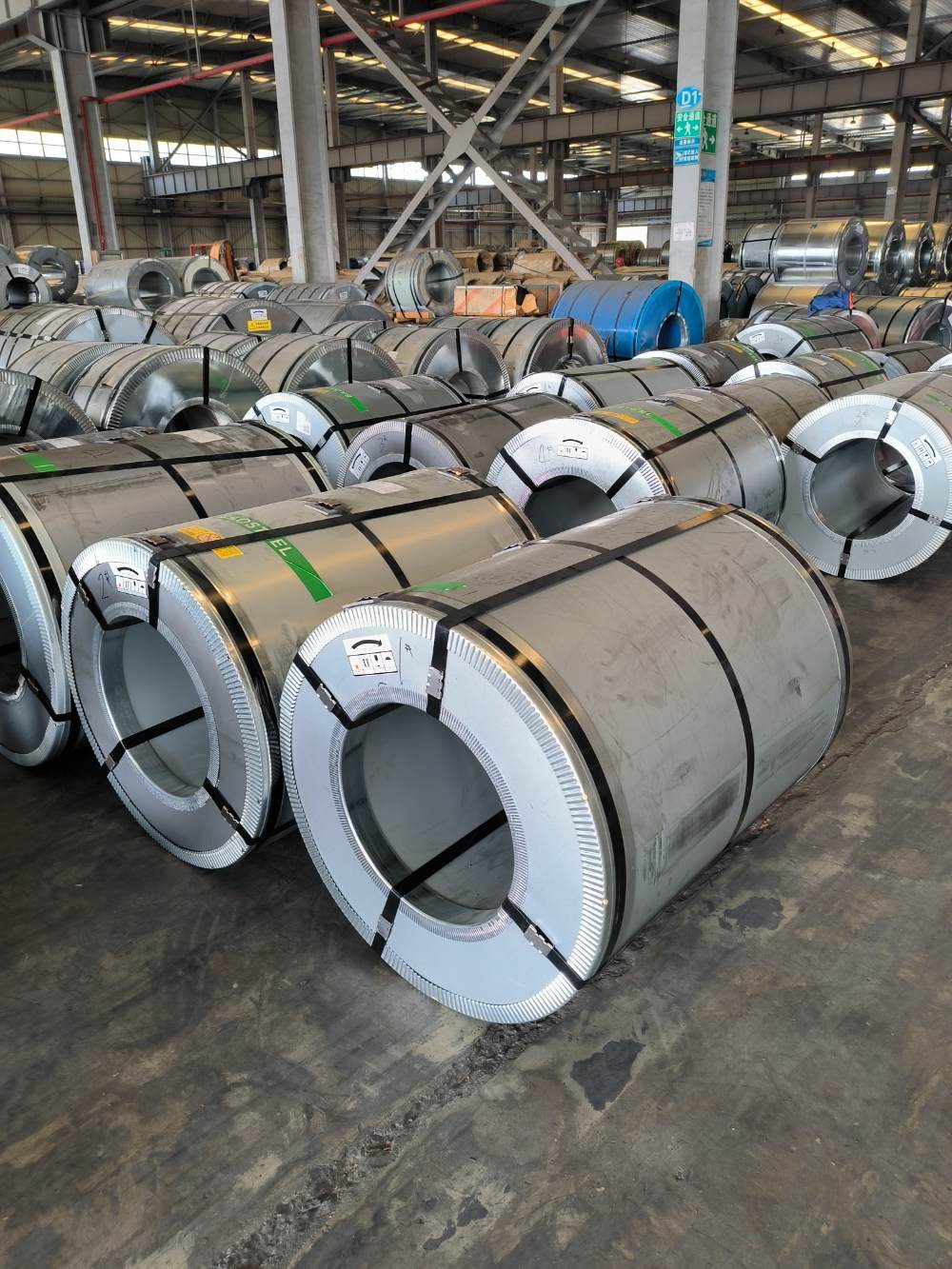
Implementing advanced heat treatment techniques involves a precise orchestration of heating and cooling cycles, specifically designed to alter the microstructure of metals for enhanced mechanical properties. Unlike conventional methods, these advanced approaches, such as austempering or martempering, focus on achieving superior hardness, toughness, or wear resistance by controlling transformation kinetics more meticulously. Industries like aerospace and automotive leverage these techniques to produce components that withstand extreme stresses, ensuring longevity and reliability in demanding environments. The process requires not only sophisticated equipment but also a deep understanding of material science to tailor treatments for specific alloys and applications, moving beyond one-size-fits-all solutions.
What sets these advanced techniques apart is their ability to minimize distortion and residual stresses, often a challenge in standard heat treatments. By employing methods like cryogenic treatment or induction hardening, manufacturers can achieve targeted modifications without compromising the integrity of the part. This precision allows for the creation of components with graded properties, where different sections of a single piece exhibit varying hardness levels, optimizing performance for complex load scenarios. The implementation often integrates real-time monitoring and data analytics to fine-tune parameters, ensuring consistency and repeatability across production runs.
In practice, adopting advanced heat treatment techniques demands a strategic investment in both technology and expertise. For instance, vacuum or atmosphere-controlled furnaces are essential to prevent surface oxidation, while computational modeling helps predict outcomes and reduce trial-and-error. Companies that embrace these innovations often see reduced material waste and improved product lifetimes, giving them a competitive edge in markets where durability is paramount. By moving beyond traditional practices, these methods unlock new possibilities for material performance, driving innovation in sectors from medical implants to heavy machinery.
Leveraging Data Analytics for Production Insights
Production environments are rich with untapped data, from machine sensor logs to quality control records. By applying data analytics, manufacturers can transform this raw information into actionable insights, revealing patterns in performance and inefficiencies that might otherwise remain hidden. This process often involves real-time monitoring systems that capture operational data, enabling rapid adjustments to optimize throughput and reduce waste.
A key aspect is predictive maintenance, where analytics forecast equipment failures before they disrupt the production line. By analyzing historical data on machine usage and maintenance schedules, teams can schedule proactive repairs, minimizing downtime and extending asset lifespan. This approach shifts operations from reactive to strategic, ensuring that production stays on track and costs are kept under control.
Ultimately, leveraging data analytics cultivates a culture of continuous improvement. It empowers decision-makers with evidence-based insights, from supply chain logistics to workforce allocation, driving smarter investments and fostering innovation. This data-driven mindset not only boosts current efficiency but also lays the groundwork for adapting to future market demands, making production processes more resilient and competitive.
Utilizing Automated Systems to Reduce Downtime
In today's fast-paced industrial landscape, automated systems have become a game-changer for slashing downtime. These smart setups monitor equipment in real-time, catching issues before they escalate into costly breakdowns. By integrating sensors and predictive analytics, they alert maintenance teams early, turning reactive fixes into proactive interventions. This shift not only keeps production lines humming but also cuts unplanned stoppages by up to 50% in some cases, boosting overall efficiency. It's like having a vigilant guardian that never sleeps, ensuring machinery runs smoothly around the clock.
Beyond simple monitoring, advanced automation leverages machine learning to tailor maintenance schedules based on actual usage patterns. Instead of following rigid, time-based plans, these systems analyze historical data to predict when a component might fail. This personalized approach reduces unnecessary part replacements and minimizes service interruptions. Imagine a factory where each machine gets its own custom care plan—less guesswork, more precision, and significantly fewer surprises that halt operations. It's a smarter way to keep things moving without breaking stride.
What truly sets these systems apart is their ability to create a seamless feedback loop. Automated diagnostics not only flag problems but also suggest solutions, sometimes even initiating minor repairs autonomously. This continuous improvement cycle ensures that downtime reduction isn't a one-off benefit but an evolving advantage. Companies adopting such tech often see a ripple effect: lower repair costs, extended equipment lifespans, and happier teams focused on innovation rather than firefighting. In essence, it's about building resilience through intelligence, turning potential disruptions into mere blips on the radar.
Fostering Sustainable Practices in Steel Production
The global push toward sustainability has driven steel producers to innovate beyond traditional methods, focusing on reducing carbon footprints while maintaining industrial competitiveness. One key approach involves integrating renewable energy sources, such as solar and wind power, into steelmaking operations, which not only cuts greenhouse gas emissions but also curbs dependency on fossil fuels. Additionally, advancements in electric arc furnace technology enable greater recycling of scrap steel, promoting a circular economy where materials are reused rather than discarded. By adopting these practices, the industry can move towards greener production that aligns with environmental goals without compromising on quality.
Another critical aspect is resource efficiency, where companies are minimizing waste and optimizing raw material use through digital tools like AI and IoT sensors. These technologies allow for real-time monitoring of energy consumption and emissions, leading to data-driven decisions that enhance operational efficiency. For instance, predictive maintenance can prevent equipment failures, reducing downtime and conserving resources. Moreover, water management strategies, such as closed-loop systems, help conserve this vital resource in steel plants, addressing sustainability from multiple angles to create more resilient and eco-friendly operations.
Collaboration across the supply chain fosters broader adoption of sustainable practices, as steel producers partner with governments, research institutions, and other industries. Initiatives like carbon capture and storage (CCS) are being explored to tackle emissions from blast furnaces, while clean hydrogen is emerging as a potential alternative fuel for steel production. By investing in such innovations and sharing best practices, the sector can accelerate its transition to net-zero targets, ensuring long-term viability in an increasingly eco-conscious market. This proactive stance not only meets regulatory demands but also builds trust with consumers and stakeholders who value environmental stewardship.
Adopting Quality Control Measures for Consistency
Implementing robust quality control measures is essential for any business that aims to deliver products or services with unwavering consistency. By establishing clear protocols for monitoring and evaluating outputs, organizations can ensure that every customer interaction or product release meets the same high standards. This not only builds trust and loyalty among clients but also minimizes costly errors and rework. For example, in manufacturing, regular inspections and adherence to standardized procedures help maintain uniform quality across batches, while in service industries, continuous training and feedback loops keep performance levels steady. Without such measures, variations can creep in, leading to dissatisfaction and damage to reputation.
To truly stand out, companies should tailor their quality control frameworks to their unique operational contexts rather than relying on generic approaches. This involves integrating real-time data analytics to detect anomalies early and fostering a culture where every team member takes ownership of quality. By empowering employees to identify and address issues proactively, businesses can move beyond mere compliance to achieve genuine excellence. For instance, a tech startup might use automated testing tools alongside peer reviews to ensure software updates are both reliable and innovative, distinguishing itself in a crowded market. Such differentiated strategies not only enhance consistency but also drive continuous improvement and adaptability.
Ultimately, the long-term benefits of adopting quality control measures extend far beyond immediate consistency. They lay a foundation for sustainable growth by enabling businesses to scale operations without sacrificing quality. As markets evolve, these systems can be refined to incorporate new insights and technologies, keeping the organization agile and responsive. For example, a company that integrates customer feedback into its quality checks can better anticipate needs and refine offerings over time. This proactive stance not only solidifies market position but also turns quality control from a defensive tool into a strategic asset that fuels innovation and competitive advantage.
FAQ
Implementing advanced annealing techniques, improving rolling precision, and using digital monitoring systems can enhance efficiency by reducing energy consumption and material waste, while also boosting product quality.
An optimized layout with streamlined workflows and minimal material handling distances reduces downtime and bottlenecks, enabling faster production cycles and lower operational costs.
Robust quality control, through real-time testing and defect detection, helps maintain consistency, reduces scrap rates, and ensures reliable performance in end-use applications like transformers.
Yes, automation via robotics and AI-driven systems can optimize processes such as coating application and inspection, leading to higher throughput and reduced human error.
Challenges include managing high-temperature processes consistently, sourcing raw materials with specific magnetic properties, and balancing cost with environmental regulations.
Implementing energy recovery systems and using renewable sources can cut costs and emissions, making production more sustainable without compromising output quality.
Recent innovations include nano-coating technologies for better insulation and machine learning algorithms for predictive maintenance, both aiming to enhance efficiency and longevity.
Conclusion
Optimizing grain oriented electrical steel production requires a holistic approach that integrates multiple strategies for factory efficiency. Enhancing process flow in electrical steel manufacturing involves streamlining operations from raw material handling to final product delivery, minimizing bottlenecks and improving material movement. Simultaneously, implementing advanced heat treatment techniques is crucial, as precise temperature control and annealing processes directly impact grain orientation and magnetic properties, reducing energy losses in transformers. By leveraging data analytics for production insights, factories can monitor real-time performance, identify trends, and predict maintenance needs, enabling proactive adjustments that enhance overall output quality and consistency.
Furthermore, utilizing automated systems to reduce downtime plays a key role; robotics and smart machinery can handle repetitive tasks, improve safety, and maintain continuous operations with minimal human intervention. Fostering sustainable practices in steel production not only reduces environmental impact through energy-efficient methods and waste recycling but also aligns with global standards, potentially lowering costs and boosting brand reputation. Adopting rigorous quality control measures ensures consistency across batches, using testing and inspection protocols to meet specifications and prevent defects. Together, these strategies create a resilient and efficient production environment, driving innovation and competitiveness in the electrical steel industry.
Contact Us
Contact Person: Zoe Liang
Email: [email protected]
Tel/WhatsApp: 86 189 2128 6299
Website: https://www.baowuchina.com