

Optimizing Low-voltage Switchgear for Efficient Energy Management
2025-12-25
In today's rapidly evolving industrial landscape, efficient energy management has become a cornerstone of sustainable operations—and at the heart of this efficiency lies low-voltage switchgear. As industries strive to reduce energy consumption and optimize performance, the role of advanced switchgear systems cannot be overstated. At Lugao, we recognize that every kilowatt-hour saved translates to tangible benefits: lower operational costs, enhanced reliability, and a reduced environmental footprint. But how can modern businesses leverage cutting-edge switchgear to achieve these goals? What innovations are driving the next wave of energy optimization? This blog delves into the critical strategies for optimizing low-voltage switchgear, exploring practical solutions that bridge the gap between theory and real-world application. From intelligent monitoring to adaptive design, we'll uncover how Lugao's expertise is reshaping energy management—one circuit at a time. Join us as we navigate the technical nuances and emerging trends that empower industries to not only meet but exceed their efficiency targets.
Enhancing Switchgear Efficiency Through Smart Design Innovations
When we think about modern electrical systems, switchgear stands as a critical component, but it's often overlooked in its potential for efficiency gains. Smart design innovations are reshaping this landscape by integrating real-time monitoring capabilities and predictive analytics. For instance, advanced sensors embedded within switchgear can detect subtle fluctuations in voltage or temperature, allowing operators to address issues before they escalate into costly failures. This proactive approach not only reduces downtime but also extends the equipment's lifespan, leading to significant energy and cost savings over time.
Another key aspect in boosting switchgear efficiency lies in modular and customizable designs. Traditional models tend to be rigid, making upgrades or adaptations challenging. However, by employing modular components, engineers can easily tailor switchgear to specific operational needs, whether for industrial plants or commercial buildings. This flexibility enables more precise load management and quicker integration with renewable energy sources, enhancing overall system reliability. As a result, facilities can adapt to changing demands without extensive overhauls, fostering a more resilient electrical infrastructure.
Innovations in materials and cooling systems are also driving efficiency improvements in switchgear. Newer designs utilize high-conductivity alloys and improved insulation to minimize energy losses during operation. Coupled with enhanced thermal management, such as liquid cooling or optimized airflow, these advancements help maintain optimal operating temperatures, reducing the risk of overheating and related inefficiencies. By combining these smart design elements, switchgear becomes not just a functional piece of equipment but a strategic asset in achieving sustainable energy goals.
Implementing IoT Solutions for Real-Time Energy Monitoring
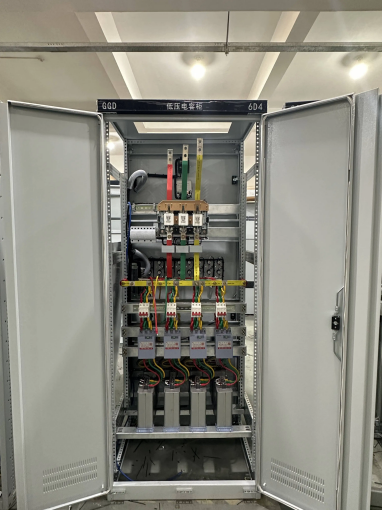
If you've ever wondered how businesses and homeowners are gaining such detailed insights into their energy usage, the answer often lies in IoT solutions tailored for real-time monitoring. By deploying interconnected sensors and smart meters, these systems capture granular data on electricity, gas, or water consumption as it happens, sending it directly to cloud-based platforms. This instant feedback transforms energy management from a guessing game into a precise, data-driven process, empowering users to spot inefficiencies and anomalies without delay.
One of the standout features of these setups is their ability to integrate with existing infrastructure, making retrofitting older buildings surprisingly straightforward. Instead of relying on periodic manual readings or estimates, IoT devices provide continuous streams of data that can be visualized through intuitive dashboards or mobile apps. This not only enhances transparency but also fosters proactive behavior, such as adjusting thermostats during peak hours or scheduling high-energy tasks when rates are lower, ultimately leading to tangible savings and reduced environmental impact.
Beyond basic monitoring, advanced implementations leverage machine learning algorithms to predict future consumption patterns and suggest optimizations. Imagine a system that learns your daily routines and automatically adjusts lighting or HVAC settings to minimize waste, while alerting you to potential equipment failures before they escalate. As IoT technology evolves, the scope of real-time energy monitoring is expanding to include renewable sources like solar panels, creating holistic ecosystems that balance demand with sustainable supply, paving the way for smarter, more resilient energy grids.
Integrating Renewable Energy Sources with Advanced Switchgear Systems
As the global shift towards sustainable energy accelerates, integrating renewable sources like solar and wind into existing power grids presents both opportunities and challenges. Advanced switchgear systems play a pivotal role in managing this transition by ensuring grid stability and reliability. These systems are designed to handle the intermittent nature of renewables, quickly responding to fluctuations in power generation without compromising the overall network. By incorporating smart sensors and real-time monitoring, they enable seamless coordination between traditional and green energy inputs, reducing downtime and enhancing operational efficiency.
What sets modern switchgear apart is its ability to adapt to diverse energy environments, from large-scale wind farms to distributed solar installations. Unlike conventional setups, these advanced systems incorporate features like fault detection and isolation that are crucial for preventing cascading failures in complex grids. They facilitate bidirectional power flow, allowing excess renewable energy to be fed back into the system or stored for later use. This flexibility not only supports the integration of more renewables but also contributes to a more resilient and decentralized energy infrastructure, empowering communities to harness local resources effectively.
Looking ahead, the synergy between renewable energy and advanced switchgear is driving innovation in grid management. Emerging technologies such as digital twins and AI-driven analytics are being integrated into switchgear designs to predict maintenance needs and optimize performance. This proactive approach minimizes disruptions and extends equipment lifespan, making renewable integration more cost-effective and sustainable in the long run. By bridging the gap between green energy ambitions and practical grid requirements, these systems are essential for building a cleaner, more reliable power future.
Reducing Energy Losses Through Predictive Maintenance Strategies
Predictive maintenance strategies offer a transformative approach to minimizing energy losses in industrial settings by leveraging data analytics and real-time monitoring. By anticipating equipment failures before they occur, facilities can avoid the excessive energy consumption that often accompanies malfunctioning machinery, leading to significant efficiency gains and cost savings.
In practice, these strategies involve deploying sensors and IoT devices to continuously track parameters like temperature, vibration, and pressure, enabling early detection of anomalies. This proactive stance not only reduces unplanned downtime but also optimizes energy usage, as equipment operates within its ideal range rather than straining under stress-induced inefficiencies.
Moreover, integrating predictive maintenance into broader energy management systems allows for a holistic reduction in waste, aligning operational reliability with sustainability goals. This approach fosters a culture of continuous improvement, where data-driven insights drive long-term energy conservation without compromising productivity.
Adapting Switchgear to Dynamic Load Management Requirements
In today's rapidly evolving energy landscape, switchgear must evolve beyond static configurations to handle fluctuating loads driven by renewable integration and electric vehicle adoption. This adaptation involves integrating smart sensors and communication modules that enable real-time monitoring of current, voltage, and temperature. By leveraging data analytics, utilities can predict peak demands and automatically reconfigure circuits, enhancing grid stability and reducing downtime. For instance, advanced circuit breakers can now self-adjust settings based on load patterns, ensuring seamless transitions during sudden spikes or drops in demand without manual intervention.
Key to this transformation is the deployment of software-defined solutions that allow for remote upgrades and customization. Unlike traditional hardware-heavy setups, modern switchgear platforms support modular designs, making it easier to incorporate new technologies like IoT devices or AI algorithms. This flexibility not only future-proofs infrastructure but also reduces operational costs by enabling predictive maintenance. Engineers can simulate various load scenarios in virtual environments before implementing changes, minimizing risks and optimizing performance across diverse applications from industrial plants to smart cities.
Moreover, adapting switchgear involves fostering interoperability with broader energy management systems. By adopting open standards such as IEC 61850, switchgear can communicate effectively with distributed energy resources and microgrid controllers. This synergy allows for dynamic load shedding during emergencies or demand response programs, contributing to overall energy efficiency. Customizable settings empower operators to tailor responses to local regulations and consumer needs, ensuring that switchgear not only meets but anticipates the complexities of modern power networks in a sustainable and resilient manner.
Leveraging AI for Automated Energy Optimization in Low-Voltage Networks
As electricity grids worldwide grapple with increasing demand and the integration of renewable sources, artificial intelligence offers a transformative solution for managing low-voltage networks. By processing vast amounts of data from sensors and smart meters, AI algorithms can predict energy consumption patterns in real-time, allowing utilities to dynamically adjust power distribution. This not only reduces waste and prevents overloads but also enhances reliability for end-users, especially in densely populated urban areas or regions with intermittent renewable inputs.
Machine learning techniques, such as deep neural networks, enable automated optimization by continuously learning from historical and live data, identifying subtle inefficiencies that traditional methods might miss. For instance, AI can optimize voltage levels and phase balancing across the network, leading to significant energy savings and lower operational costs. The result is a more resilient grid that adapts autonomously to changes, from peak usage hours to sudden weather events, ensuring stable supply without constant human intervention.
Implementing these AI-driven systems fosters sustainability by minimizing carbon footprints through better load management and integrating distributed energy resources like solar panels. As technology advances, the potential for AI to revolutionize low-voltage networks grows, paving the way for smarter, greener energy infrastructures that cater to modern needs while supporting environmental goals.
FAQ
Optimizing low-voltage switchgear enhances energy efficiency by reducing power losses, improving system reliability, and enabling better monitoring and control of electrical distribution, leading to cost savings and sustainability.
Smart technology incorporates sensors and IoT devices into switchgear to provide real-time data on energy consumption, allowing for automated load balancing, predictive maintenance, and adaptive control strategies.
Challenges include high initial costs, technical complexities in retrofitting existing systems, and ensuring compatibility with modern energy management software without disrupting ongoing operations.
Yes, improved energy efficiency from optimized switchgear can help reduce a building's carbon footprint, supporting points in LEED certification for energy performance and environmental impact reduction.
Predictive maintenance uses data analytics to anticipate failures before they occur, minimizing downtime and energy waste, thus maintaining peak performance and extending equipment lifespan.
Energy management systems connect to optimized switchgear to analyze consumption patterns, implement demand response strategies, and optimize power distribution across various loads for maximum efficiency.
Innovations include using advanced insulating materials to reduce heat loss, modular designs for flexible expansion, and arc-resistant constructions to enhance safety and efficiency.
Conclusion
Optimizing low-voltage switchgear for efficient energy management involves integrating smart design innovations to enhance switchgear efficiency, such as improved materials and compact layouts that reduce energy losses and heat generation. This approach is further strengthened by implementing IoT solutions for real-time energy monitoring, which provides valuable data on power consumption patterns and system performance. By combining these advancements, industries can better manage their electrical infrastructure, leading to more reliable and sustainable operations while minimizing environmental impact.
Additionally, integrating renewable energy sources with advanced switchgear systems allows for seamless incorporation of solar or wind power, adapting to dynamic load management requirements for optimal energy distribution. Leveraging AI for automated energy optimization in low-voltage networks enables predictive maintenance strategies, which proactively identify potential failures and reduce downtime. Together, these multifaceted strategies create a robust framework for energy efficiency, fostering resilience and cost savings in modern electrical networks by addressing both current and future energy demands through innovative technological convergence.
Contact Us
Contact Person: Doreen
Email: [email protected]
Tel/WhatsApp: 8618057712366
Website: https://www.liugaopower.com/