
Optimizing Narrow Strip Mill Solutions for Advanced Manufacturing Efficiency
2026-03-04
In the fast-paced world of advanced manufacturing, the demand for precision and efficiency has never been higher. Enter the realm of narrow strip mill solutions, where every micron counts in optimizing production lines. At GRM, we're pioneering innovative approaches that not only enhance throughput but also redefine what's possible in material processing. This blog delves into cutting-edge strategies and insights that can transform your operations, sparking curiosity about how tailored solutions might unlock new levels of performance. Join us as we explore the future of manufacturing efficiency, where tradition meets innovation head-on.
Innovative Approaches to Narrow Strip Mill Calibration
Traditional calibration methods for narrow strip mills often rely on static models and periodic adjustments, which can lead to inefficiencies and quality variations in the final product. In contrast, innovative approaches are shifting towards dynamic, real-time systems that leverage sensor data and machine learning algorithms. These advancements enable continuous monitoring and automatic fine-tuning of roll gaps, tension controls, and temperature settings, enhancing precision and reducing downtime. By integrating IoT devices and predictive analytics, mills can now anticipate deviations before they impact production, resulting in more consistent strip dimensions and improved surface finishes.
Another cutting-edge strategy involves the use of advanced simulation software and digital twins to replicate mill operations in a virtual environment. This allows engineers to test calibration parameters under various scenarios without interrupting actual production. By analyzing these simulations, they can identify optimal settings for specific materials and widths, minimizing trial-and-error on the factory floor. Such approaches not only boost accuracy but also contribute to energy savings and longer equipment lifespan by reducing wear and tear from over-adjustment.
Furthermore, collaborative robotics and AI-driven control systems are gaining traction in narrow strip mill calibration. These systems can autonomously adapt to changing conditions, such as variations in incoming strip properties or ambient factors, ensuring seamless operation. By combining human expertise with automated decision-making, these innovations foster a more agile production line capable of handling complex orders with higher throughput. This blend of technology not only sets new standards for quality control but also positions mills to meet evolving market demands for faster, more customized outputs.
Enhancing Energy Efficiency Through Advanced Control Systems
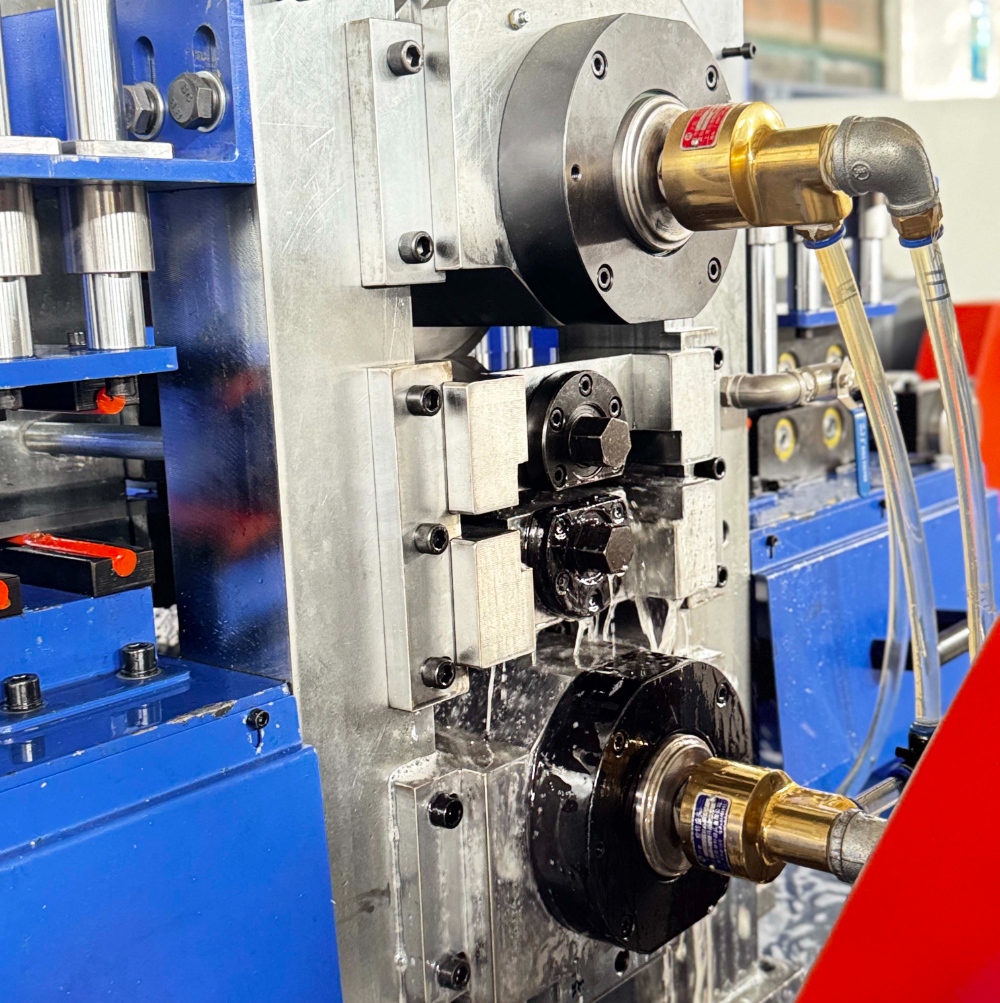
Advanced control systems are revolutionizing how industries optimize energy use by integrating real-time data and predictive analytics. Unlike traditional methods that rely on fixed schedules or manual adjustments, these systems dynamically adjust heating, cooling, and lighting based on occupancy and environmental conditions. For instance, in commercial buildings, smart sensors can detect when a room is empty and automatically dim lights or adjust HVAC settings, leading to significant reductions in wasted energy without compromising comfort.
By leveraging machine learning algorithms, these control systems can anticipate energy demand patterns and proactively manage resources. This proactive approach not only cuts operational costs but also extends the lifespan of equipment by preventing unnecessary strain. In manufacturing, for example, adaptive controls fine-tune machinery operations to match production cycles, minimizing idle energy consumption. Such innovations highlight how technology is shifting from reactive fixes to intelligent, efficiency-driven solutions that cater to specific operational needs.
The impact of advanced control systems extends beyond immediate energy savings to support broader sustainability goals. They enable better integration of renewable energy sources, such as solar or wind, by balancing supply and demand in real-time. In smart grids, these systems coordinate distributed energy resources to enhance grid stability and reduce reliance on fossil fuels. As businesses and communities adopt these technologies, they contribute to a more resilient and eco-friendly infrastructure, demonstrating that energy efficiency isn't just about cutting costs—it's a strategic move toward a greener future.
Streamlining Material Flow for Minimized Downtime
In today's fast-paced industrial landscape, every second of production stoppage can translate into significant financial losses and missed opportunities. Streamlining material flow goes beyond mere logistics—it's about creating a seamless pipeline where raw materials, components, and finished goods move effortlessly from one stage to the next. By implementing smart automation and real-time tracking systems, companies can anticipate bottlenecks before they occur, ensuring that machines are never left idle waiting for supplies. This proactive approach not only reduces downtime but also enhances overall operational agility, allowing businesses to respond swiftly to market demands without sacrificing efficiency.
A key aspect of minimizing downtime through optimized material flow involves integrating lean principles with advanced technology. Instead of relying on outdated manual processes, modern facilities leverage IoT sensors and AI-driven analytics to monitor inventory levels and predict replenishment needs accurately. For instance, sensors placed along conveyor belts can detect slowdowns or jams instantly, triggering automated alerts for maintenance teams to intervene before a full shutdown happens. This synergy between human expertise and digital tools transforms material handling from a reactive chore into a strategic advantage, cutting down unplanned stoppages by up to 30% in many cases.
Ultimately, the goal is to build a resilient material flow system that adapts to fluctuations in demand and supply chain disruptions. By focusing on continuous improvement and employee training, organizations can foster a culture where downtime is viewed as a preventable challenge rather than an inevitable cost. Regular audits and feedback loops help refine processes, ensuring that material flows remain smooth even under pressure. In this way, streamlining isn't just about speed—it's about building robustness that keeps production lines humming reliably day in and day out, directly boosting bottom-line performance while keeping customers satisfied.
Leveraging Real-Time Data Analytics for Proactive Maintenance
Imagine a world where machinery whispers its secrets before they turn into costly breakdowns. That's the promise of leveraging real-time data analytics, a game-changing approach that shifts maintenance from reactive fixes to proactive strategies. By continuously monitoring equipment through sensors and IoT devices, this method captures a stream of live data—think temperature fluctuations, vibration patterns, and energy consumption. It's not just about collecting numbers; it's about feeding this information into sophisticated algorithms that detect early warning signs, often invisible to the human eye. This real-time insight allows teams to intervene swiftly, scheduling repairs during planned downtimes rather than scrambling in emergencies, ultimately boosting operational efficiency and slashing unplanned outages.
Diving deeper, the real power of this approach lies in its dynamic adaptability. Unlike historical data analysis, which offers a rearview mirror perspective, real-time analytics provides a live dashboard of your operations. It enables predictive models that evolve with changing conditions—say, adjusting for seasonal variations or sudden workload spikes. This isn't just maintenance; it's a proactive dialogue with your assets. Companies embracing this are seeing tangible benefits, such as extended equipment lifespans and reduced maintenance costs by up to 25%, according to industry studies. By catching issues like bearing wear or lubrication failures early, it transforms maintenance from a cost center into a strategic asset, fostering a culture of continuous improvement and innovation.
To make this work seamlessly, integration is key. It's about weaving real-time data analytics into the fabric of your maintenance workflows, ensuring that insights lead to immediate action. This might involve connecting analytics platforms with CMMS (Computerized Maintenance Management Systems) to automate work orders or using AI-driven alerts that notify technicians on mobile devices. The result? A more agile, responsive maintenance team that can preempt failures, optimize resource allocation, and enhance safety. In essence, leveraging real-time data analytics for proactive maintenance is like having a crystal ball for your machinery—except it's rooted in hard data and smart technology, making it a sustainable path toward operational excellence and competitive edge.
Adapting Production Techniques for High-Quality Output
Adapting production techniques for high-quality output requires a holistic approach that goes beyond standard methods. In today's competitive landscape, it's about fine-tuning processes to align with specific project goals, whether that's enhancing visual clarity in video production or improving sound fidelity in audio work. For instance, using advanced color grading tools not only corrects hues but also sets a mood that resonates with audiences, making the output more memorable and impactful. Such adaptations often involve iterative testing and feedback loops, ensuring each element contributes to a cohesive final product.
One key aspect is the integration of innovative technologies, like AI-driven automation, which can streamline repetitive tasks without sacrificing quality. By customizing these tools to fit unique needs, teams can focus more on creative decisions rather than manual adjustments. This adaptability allows for scaling production efficiently, from small-scale indie projects to large corporate endeavors, all while maintaining a high standard. It's this flexibility that helps outputs stand out in crowded markets, fostering a sense of authenticity and polish.
Ultimately, the success of adapting production techniques lies in a proactive mindset—anticipating challenges and tweaking workflows accordingly. Regular updates to equipment and software, combined with cross-disciplinary collaboration, enrich the process. For example, blending traditional methods with modern digital enhancements can yield richer textures and deeper engagement. By prioritizing these adaptations, producers ensure their work not only meets current standards but sets new benchmarks for quality, driving both artistic and commercial value.
Future-Proofing Mills with Scalable Automation Solutions
Picture a mill where seamless automation adapts effortlessly to shifting market demands or operational expansions, all without overhauling existing infrastructure. Beyond traditional static systems, scalable solutions embed flexibility directly into your workflow. They allow you to ramp up production during peak seasons or integrate new technologies incrementally, ensuring your facility remains agile. This approach not only boosts efficiency but also safeguards investments by preventing obsolescence as industry standards evolve.
What sets these automation solutions apart is their ability to grow organically alongside your mill, much like building blocks that can be reconfigured for different tasks. Imagine modular robotic arms that handle tasks from sorting to packaging, with software updates adding new capabilities without downtime. This adaptability means you can respond quickly to customer needs or environmental regulations, turning potential disruptions into opportunities. It's a proactive stance that keeps mills competitive, fostering innovation while maintaining consistent output quality.
FAQ
Narrow strip mill optimization tackles precision consistency, material waste reduction, and energy consumption efficiency. In advanced manufacturing, maintaining tight tolerances across long production runs is critical, as minor deviations can lead to defects or scrap. For instance, in automotive or electronics supply chains, optimizing these mills ensures reliable material properties, directly impacting downstream processes and product quality.
By enhancing control systems and predictive maintenance, narrow strip mill optimization reduces unplanned downtime and material overuse. Real-time monitoring of parameters like thickness and tension allows for adjustments that minimize waste and energy usage. This efficiency translates to lower per-unit costs, especially in high-volume production environments where even minor improvements yield significant financial returns over time.
Data analytics enables predictive modeling and adaptive control in narrow strip mills. By analyzing historical and real-time data from sensors, manufacturers can identify patterns that predict equipment failures or quality issues. This proactive approach helps fine-tune processes on the fly, improving yield rates and reducing reliance on manual adjustments, thus streamlining the entire manufacturing workflow.
Optimization directly enhances product quality by ensuring uniform strip dimensions and surface finish. Advanced sensors and feedback loops adjust mill settings dynamically, compensating for variables like temperature or material properties. This consistency is vital in industries like aerospace or medical devices, where even small variations can compromise performance or safety, leading to higher customer satisfaction and fewer returns.
Recent innovations include AI-driven process control, IoT integration for remote monitoring, and advanced materials for mill components that reduce wear. For example, machine learning algorithms analyze production data to optimize speed and tension settings automatically, adapting to different material grades without human intervention. These technologies push the boundaries of what's possible in precision manufacturing.
They serve as a critical component by connecting to smart factories through standardized protocols. Integration allows for seamless data exchange with other systems, such as ERP or supply chain management, enabling holistic optimization. This connectivity supports just-in-time production and reduces bottlenecks, aligning narrow strip milling with agile, data-driven manufacturing ecosystems.
Conclusion
This article explores various strategies for optimizing narrow strip mills to achieve advanced manufacturing efficiency. It delves into innovative calibration techniques that enhance precision and adaptability in production processes. Additionally, it highlights the role of advanced control systems in boosting energy efficiency, reducing operational costs while maintaining high performance. These approaches are crucial for modernizing mill operations and ensuring they meet stringent quality and sustainability standards.
Further optimization is achieved by streamlining material flow to minimize downtime, which increases overall productivity. The integration of real-time data analytics allows for proactive maintenance, preventing unexpected breakdowns and extending equipment life. Adapting production techniques ensures consistent high-quality output, essential for competitive markets. Moreover, future-proofing mills with scalable automation solutions enables seamless integration of new technologies, fostering long-term resilience and innovation in the manufacturing sector.
Contact Us
Contact Person: Rayna
Email: [email protected]
Tel/WhatsApp: 86 -173 1474 6343
Website: https://www.grmrollingmill.com/