
Professional Alkyl Polyglycoside: Benefits, Uses, and Key Insights
2026-08-09
In the world of green chemistry, few ingredients have garnered as much attention as alkyl polyglycosides. These sugar-based surfactants are redefining performance across industries—from gentle personal care cleansers to powerful industrial formulations. But what makes them truly stand out is their perfect balance of mildness and efficacy, all while being readily biodegradable. As demand for sustainable solutions surges, innovators like HAISEN are pushing the boundaries, delivering professional-grade APGs that meet the toughest application needs without compromising on environmental values. Whether you're formulating a shampoo, an agricultural adjuvant, or a hard-surface cleaner, understanding the full potential of alkyl polyglycosides could be the competitive edge you've been missing.
What Makes Alkyl Polyglycosides Stand Out?
Alkyl polyglycosides (APGs) are a class of non-ionic surfactants that have captured attention for their unique combination of performance and environmental compatibility. Unlike many conventional surfactants derived from petrochemicals, APGs are synthesized from renewable raw materials—typically fatty alcohols from vegetable oils and glucose from corn or potatoes. This origin gives them an excellent ecological profile without sacrificing efficacy.
What truly sets APGs apart is their mildness. They are exceptionally gentle on skin and eyes, making them a preferred choice for personal care products formulated for sensitive skin or for baby care. Despite this mildness, they produce rich, stable foam and offer powerful cleaning, even in hard water. Their synergistic effects with other surfactants allow formulators to create products that are both effective and pleasant to use.
APGs also stand out for their rapid and complete biodegradability. Under both aerobic and anaerobic conditions, they break down quickly, minimizing their environmental impact. Furthermore, they are non-toxic to aquatic organisms, reinforcing their position as a sustainable option for modern cleaning and hygiene applications. From shampoos to household cleaners, APGs bring together the desirable traits of natural origin, safety, and high performance.
The Science Behind Their Gentle Cleaning Power
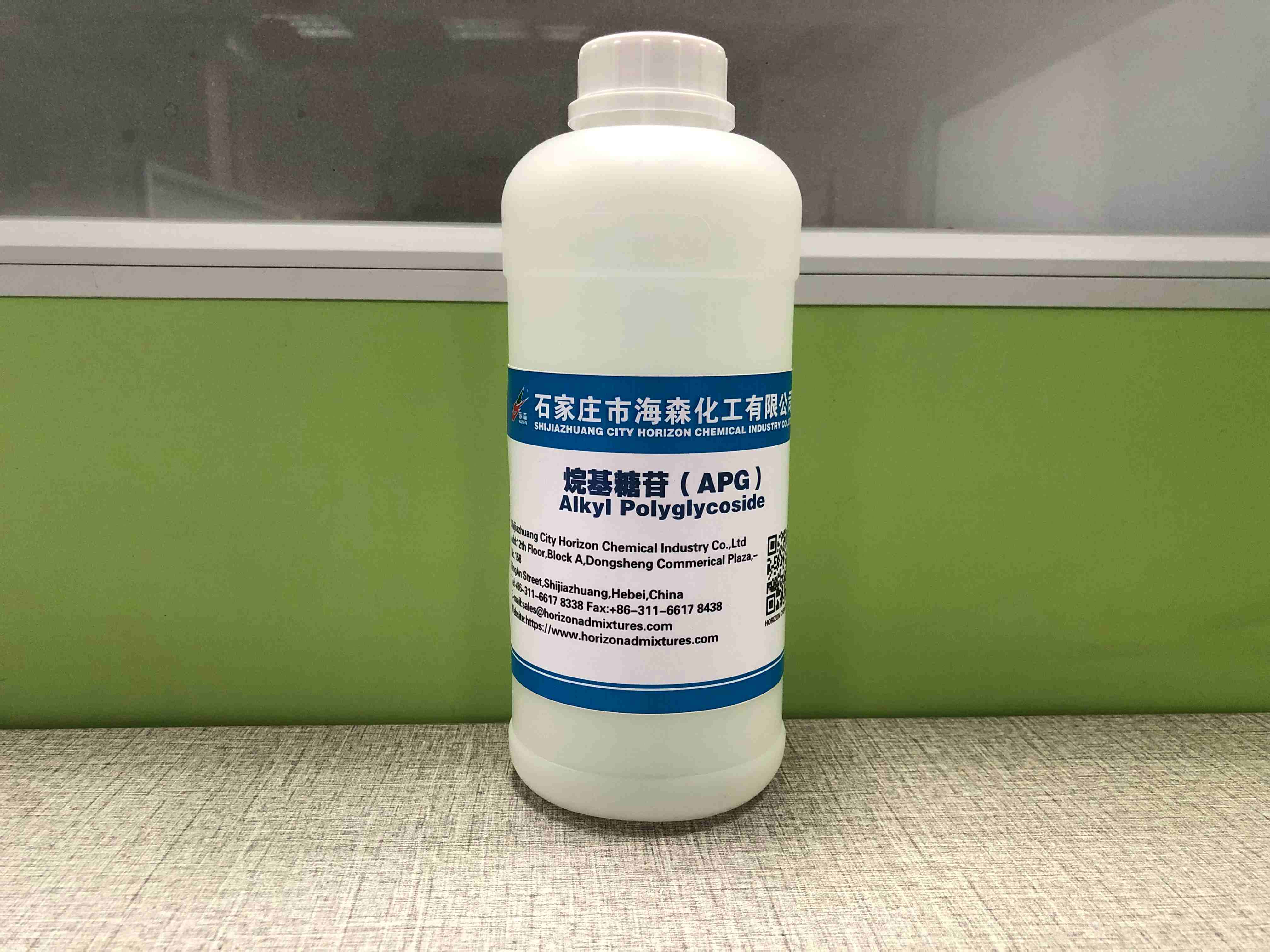
At the molecular level, the cleaning agents used are amphiphilic structures—they possess both water-loving and oil-loving ends. This duality allows them to surround and lift away dirt without disrupting fragile surfaces. Rather than relying on harsh scrubbing or corrosive chemicals, these molecules form micelles that encapsulate grime, making it easily rinsed away. The result is effective cleaning that preserves the integrity of sensitive materials.
pH balance plays a pivotal role. Many conventional cleaners operate at extremes that can degrade fibers or coatings over time. In contrast, the formulations here are buffered to stay within a neutral to mildly alkaline range, which is optimal for breaking down oily residues while remaining kind to skin and delicate finishes. This careful calibration prevents the swelling or weakening of natural materials, ensuring longevity without compromising on cleanliness.
Environmental factors also inform the chemistry. By selecting biodegradable surfactants and avoiding heavy chelating agents, these cleaners minimize ecological impact while maintaining low reactivity. The science isn’t just about what is removed, but what is left behind—no abrasive residues, no lingering toxins. It’s a deliberate balance between efficacy and restraint, crafted through years of research into how substances interact at interfacial boundaries.
How They Benefit Sensitive Skin Formulations
Sensitive skin demands a gentle approach, and ingredients tailored for these formulations work by reinforcing the skin's natural barrier. They minimize the risk of irritation by avoiding harsh additives and instead deliver calming compounds that soothe reactivity. Over time, they help reduce the frequency of flare-ups and leave skin feeling more resilient and comfortable.
These specialized ingredients also excel at maintaining optimal hydration levels without overwhelming delicate complexions. By locking in moisture and shielding against environmental triggers, they create an environment where skin can heal and thrive. The result is a visibly calmer, more balanced complexion that's less prone to the tightness and redness that often plague sensitive skin types.
Another key advantage is their ability to support the skin's microbiome, which plays a crucial role in overall skin health. By fostering a healthy balance of microorganisms, these formulations help defend against external aggressors without causing distress. This holistic approach not only addresses immediate concerns but also builds long-term tolerance, making daily skincare a soothing ritual rather than a source of stress.
Industrial Applications Beyond Personal Care
While these ingredients are staples in shampoos and lotions, their utility stretches far beyond the bathroom shelf. In industrial settings, they often serve as critical processing aids that keep machinery running smoothly and formulations stable. For example, their affinity for surfaces makes them invaluable in heavy-duty lubricants, where they reduce wear between metal parts under extreme pressure.
Coatings and paints represent another area where these materials shine. By lowering surface tension, they help pigments disperse evenly, preventing clumping and ensuring a flawless finish. The same property enables them to act as emulsifiers in food production, keeping oil and water blended in sauces and dressings without the need for artificial stabilizers.
More unconventional applications are emerging in agriculture and pharmaceuticals. In crop protection, they boost the effectiveness of pesticides by improving foliar adhesion. Meanwhile, researchers are exploring their role in targeted drug delivery systems, where they can encapsulate active compounds and release them at controlled rates. This adaptability underscores a quiet but profound versatility that's often overlooked.
Environmental Advantages You Should Know
Switching to renewable energy isn't just about curbing emissions—it fundamentally reshapes our relationship with the planet. Solar panels and wind turbines generate power without the constant extraction of finite resources, leaving landscapes undisturbed and ecosystems intact. This shift reduces the burden of mining, drilling, and transportation that scars both land and sea, offering a quieter, less invasive way to keep the lights on. It’s a practical step toward letting nature reclaim its rhythm, where energy production and environmental stewardship aren't at odds.
Water conservation is another overlooked benefit. Traditional power plants guzzle vast amounts of freshwater for cooling, stressing rivers and aquifers already stretched thin. Renewables like wind and photovoltaic solar operate with a fraction of that thirst, freeing up water for agriculture, wildlife, and communities. In drought-prone regions, this isn't just convenient—it's survival. Choosing cleaner energy sources helps preserve the hydrological cycles that sustain everything from local fisheries to the morning cup of coffee.
The ripple effect on wildlife often goes unmentioned. While no technology is entirely benign, renewables sidestep the habitat destruction and pollution linked to fossil fuel infrastructure. Offshore wind farms can double as artificial reefs, and solar installations on degraded land avoid fragmenting forests. By reducing acid rain and curbing airborne particulates, they help stabilize delicate habitats, giving species a fighting chance to adapt to a changing climate. These aren’t distant gains; they’re tangible shifts in the landscapes we live in and depend on.
Key Formulation Tips for Maximum Efficacy
Getting the most out of an active ingredient isn’t just about loading up on high percentages. Often, the real magic lies in how different components interact on the skin. For example, pairing a potent antioxidant with a carefully chosen lipid can dramatically improve how deeply it penetrates, without the usual irritation that solo use might cause. It’s not about following a trend—it’s about understanding what each element needs to perform at its peak, and then building the formulation around that choreography.
Texture and pH play surprisingly big roles that many overlook. A product’s feel isn’t just cosmetic—thin, water-light serums sometimes struggle to keep actives stable, while richer bases can buffer delivery too much. Finding the sweet spot often means tweaking the vehicle until it aids absorption without diluting potency. For acid-based heroes, controlling pH is non-negotiable: slide just a few tenths in the wrong direction and you might end up with something that’s either too harsh or barely functional.
Don’t forget that consistency and real-world usage shape effectiveness more than a lab-perfect formula ever could. A beautifully crafted potion means nothing if it oxidizes two weeks after opening, or if it feels so unpleasant that people avoid using it. Simple steps, like selecting the right preservative system and testing how the formula behaves under light and air exposure, ensure the product stays powerful from first use to last. It’s these unsexy details that separate a one-hit wonder from a routine staple.
FAQ
Alkyl polyglycosides (APGs) are non-ionic surfactants made from renewable plant-based raw materials—typically glucose from corn or potatoes and fatty alcohols from coconut or palm oil. The production process involves reacting these sugars and fatty alcohols under controlled conditions, resulting in a mild, readily biodegradable surfactant with excellent cleaning and foaming properties.
Their feedstock comes from annually renewable resources rather than petrochemicals, and they break down quickly in the environment. APGs exhibit low aquatic toxicity and are gentle on skin, which makes them a favorite in eco-certified and sensitive-skin formulations. The full lifecycle, from crop to finished product, generally has a lower carbon footprint compared to conventional synthetic surfactants.
They offer a unique combination of mildness and effective cleansing. Unlike many sulfate-based surfactants, APGs clean without stripping natural oils, making them ideal for face washes, baby shampoos, and micellar waters. They also act as foam stabilizers and can improve the skin feel of a formula—leaving it soft and conditioned rather than tight or dry.
APGs excel in hard surface cleaners, dishwashing liquids, and laundry detergents. They tolerate high pH and electrolyte loads better than many other non-ionics, so they work well in alkaline degreasers and acidic toilet bowl cleaners. Their synergy with other surfactants allows formulators to boost cleaning power while keeping the overall formula gentle.
Sulfates like SLS generate dense lather but can be harsh; betaines are milder but often require secondary surfactants. APGs fall in a sweet spot: they produce a creamy, stable foam and show good dermal compatibility. They also perform well in hard water, something many soap-based surfactants struggle with. However, they can be costlier, so they're often blended.
One common hurdle is their pH sensitivity in certain systems—they hydrolyze under very low pH if held for extended periods. They also have a higher viscosity-building demand, so formulators might need to adjust thickener systems. In very high concentrations, some APG grades can be tacky on skin, but these effects are easily managed through proper prototype testing.
The alkyl chain length and degree of polymerization dictate performance. Shorter chains (C8–C10) deliver stronger degreasing and wetting, while longer chains (C12–C16) enhance foam creaminess and mildness. The typical commercial range falls between DP 1.2 and 1.6. Always consider the electrolyte tolerance and preservative compatibility, as some APGs can inactivate certain preservative systems.
Conclusion
Alkyl polyglycosides stand apart from conventional surfactants through their plant-derived origin and exceptionally mild nature. Unlike harsh sulfates, these sugar-based molecules rely on a unique structural synergy: a hydrophilic sugar head derived from glucose or corn starch, paired with a fatty alcohol tail sourced from renewable coconut or palm kernel oils. This design enables them to lower surface tension effectively without stripping the skin’s natural lipids. When applied to sensitive skin formulations, they create a dense, creamy foam that cleanses with minimal irritation, preserving the acid mantle and reducing the risk of transepidermal water loss. In fact, their large molecular size limits penetration into deeper skin layers, which is why dermatologists often favor them for eczema-prone or reactive complexions. The gentle cleaning power here is not a marketing claim but a measurable outcome of their micelle-forming behavior—these clusters trap dirt and oil yet remain too bulky to disrupt intercellular lipids, making them ideal for leave-on or rinse-off products that demand both safety and performance.
Beyond personal care, the versatility of alkyl polyglycosides extends into hard-surface cleaners, industrial degreasers, and agricultural adjuvants, where their high solubility in concentrated electrolyte solutions and compatibility with anionic, nonionic, or cationic systems offer formulators exceptional flexibility. Their environmental profile further elevates them: they biodegrade rapidly under both aerobic and anaerobic conditions, carry low aquatic toxicity, and are manufactured through a water-based, zero-solvent process that aligns with green chemistry principles. For maximum efficacy, pairing them with co-surfactants like betaines or sulfosuccinates can boost foam stability and wetting properties, while adjusting the alkyl chain length—typically C8 to C16—fine-tunes the balance between detergency and mildness. Whether you are crafting a baby shampoo, a biocide-loaded spray, or a high-performance kitchen cleaner, these sugar surfactants deliver robust, planet-friendly cleaning without compromise.
Contact Us
Contact Person: Sam Lee
Email: [email protected]
Tel/WhatsApp: 86-311-6617 8338
Website: https://www.horizonadmixtures.com/