

Professional Flame Retardant Fabric: Essential Guide to Safety and Performance
2026-09-16
In high-risk environments, the difference between a close call and a catastrophe often comes down to the fabric on your back. This guide cuts through the confusion around flame retardant materials, focusing on what actually matters for safety and long-term performance. While many suppliers make claims, DROTEX brings proven engineering to the table — and we'll show you why that matters as you evaluate your options.
What Makes a Fabric Truly Flame Retardant?
True flame retardancy hinges on how a fabric interacts with heat at the molecular level, not just whether it passes a quick lab test. Inherently flame-resistant fibers like aramids and modacrylics are built from polymer chains that resist ignition and self-extinguish when the heat source disappears. Treated fabrics, by contrast, rely on chemical additives that either quench free radicals in the flame or form an insulating char barrier on the fiber surface. The most effective options combine both: a base fiber that doesn't melt or drip, plus a finish that boosts char formation under intense heat.
The chemistry matters because burning is a chain reaction. Halogenated additives, for instance, release species that interrupt the combustion cycle in the gas phase, while phosphorus-based treatments push the reaction toward solid char instead of flammable gases. But a truly flame-retardant fabric also needs structural integrity. A woven aramid won't shrink away from a flame the way some thermoplastics do, and that dimensional stability can mean the difference between a contained smolder and a rapidly spreading fire. Testing protocols like vertical flame spread and limiting oxygen index capture these behaviors, but real-world performance depends on how the fabric is used—layered, stretched, or exposed to radiant heat.
Durability is the often-overlooked piece. Many chemical finishes lose their effectiveness after repeated laundering because they're merely coated on the surface, not bonded into the fiber. Some manufacturers address this by using inherently FR fibers or by cross-linking the flame-retardant chemistry into the polymer matrix. Fabric weight and weave also play a decisive role: a dense, tightly woven fabric insulates better and leaves less room for oxygen to feed a flame. So when someone asks what makes a fabric "truly" flame retardant, the honest answer involves fiber selection, chemical mechanism, and construction—not a single magic additive.
Decoding Safety Standards Without the Jargon
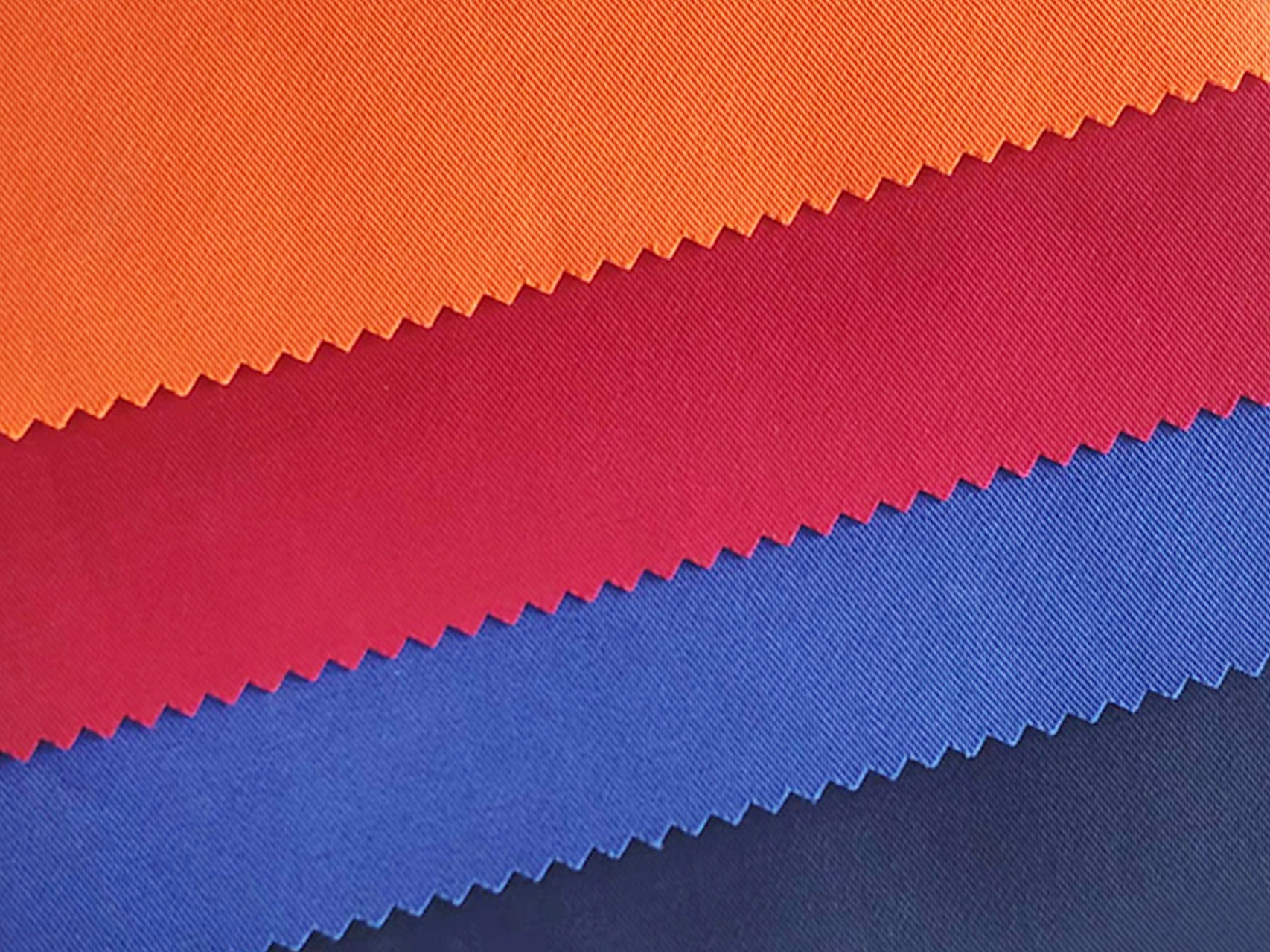
Most safety standards read like they were written by a committee that forgot humans have to use them. The first step to decoding them is to strip away the shorthand. Every industry has its alphabet soup—PPE, OSHA, ANSI, ISO—and those initials often hide simple ideas. Instead of memorizing labels, ask what the rule actually wants a person to do: wear a helmet, check the guardrail, test the air before entering.
A good trick is to translate each clause into a question. If the standard says "adequate means of egress shall be maintained," ask yourself, "Can everyone get out quickly if something goes wrong?" If the answer is yes, you've understood the point. The jargon is just a formal way of saying something a site supervisor might yell across a noisy floor.
Finally, don't be afraid to rewrite the standard in your own words. Put it on a sticky note, a toolbox talk handout, or a phone lock screen. When the language becomes plain enough to explain to a new worker in under a minute, the standard has stopped being a wall of text and started being a habit.
Real-World Use Cases That Demand Protection
A hospital in Chicago learned the hard way when patient records leaked after a nurse clicked a phishing link. Within hours, attackers had exfiltrated thousands of files containing diagnoses, insurance IDs, and home addresses. The breach didn't just trigger HIPAA fines—it eroded trust. Patients began postponing treatments, worried their medical histories would surface in the wrong hands. This scenario plays out daily across clinics, labs, and telehealth platforms, where a single unencrypted device or weak access control can turn a routine appointment into a privacy nightmare.
Financial institutions face a quieter but equally brutal threat: account takeover attempts that bypass generic defenses. A midsize credit union recently saw a wave of logins from residential IPs where small transactions preceded larger wire transfers. Traditional fraud rules missed it because the behavior looked human—just scattered in time. Only by correlating device fingerprints and behavioral biometrics did the security team spot the pattern: one botnet coordinating across 47 states. Real-world payment flows, peer-to-peer apps, and crypto wallets now demand protection that adapts to legitimate user variance while catching subtle anomalies.
Smart city infrastructure adds another layer of urgency. Traffic sensors, water quality monitors, and public safety cameras generate terabytes of data that, if intercepted, could map emergency response routes or reveal when a neighborhood is empty. Municipalities often deploy IoT devices with default passwords, leaving an open door for mischief or worse. In one European pilot, researchers demonstrated how falsified air quality readings could trigger false public health alerts, causing panic and misallocated resources. Protecting these systems means more than encrypting data in transit—it requires segmenting networks, hardening firmware, and treating every sensor as a potential entry point.
Choosing the Right Fabric for Your Risk Profile
Risk profiles aren't just about financial portfolios. When you're selecting fabric for a project, the level of exposure to wear, weather, or workplace hazards quietly dictates what will actually hold up. A delicate linen might look perfect on a mood board, but it's a poor companion for a high-friction industrial setting.
For lower-risk environments—think casual interiors or occasional-use garments—breathability and hand feel often outweigh durability. Cotton blends, lightweight wools, and soft synthetics can thrive here because the fabric won't face repeated stress. The risk is mostly aesthetic, like pilling or fading, so you can prioritize comfort without a practical penalty.
When the stakes climb, so do the demands. Abrasion resistance, tensile strength, and even flame retardancy become non-negotiable. In these cases, dense weaves like canvas, ripstop nylon, or treated aramids are not overkill—they're the baseline. The right fabric doesn't just survive the risk profile; it quietly becomes part of your safety margin.
Care and Longevity: Keeping Protection Intact
Dust, sweat, and daily friction quietly wear down even the toughest gear. A quick rinse with lukewarm water and a soft cloth removes the grit that causes micro-scratches, while avoiding harsh solvents keeps the surface from turning brittle over time. Let it air dry away from direct heat; heat can warp seals and loosen adhesives before you notice any visible damage.
Small habits make the biggest difference. Store the item in a cool, dry spot instead of a sunny windowsill or glove box, and check the edges and fastening points once a month for early signs of cracking or peeling. Reapplying a thin layer of the recommended conditioner or protectant every few weeks restores flexibility and keeps the barrier working like it should, long after the box has been recycled.
Beyond Basics: Advances in Flame Retardant Technology
The field has moved past simply loading polymers with halogenated additives. Intumescent coatings that expand into a protective char when heated now dominate high-performance applications, but the real breakthroughs are happening at the nanoscale. Incorporating just 2–5 wt% of functionalized layered double hydroxides or polyhedral oligomeric silsesquioxane cages can sharply reduce peak heat release rates without sacrificing mechanical properties—a trade-off that crippled earlier formulations.
Another shift is from brute-force suppression to mechanistic design. Researchers now map condensed-phase and gas-phase actions of a retardant before synthesis, tuning phosphorus–nitrogen synergies or using metal oxides to catalyze cross-linking during decomposition. Bio-derived options such as phytic acid from rice bran and chitosan-based systems are moving out of the lab because they offer strong char-forming behavior and lower toxicity profiles, though their durability and moisture sensitivity still demand clever formulation work.
The most interesting advances blur the line between flame retardancy and multifunctionality. Layer-by-layer nanocoatings add fire protection with only a few microns of thickness, preserving fabric hand feel or optical clarity. Simultaneously, reversible covalent adaptable networks are being explored to make flame-retardant thermosets repairable and recyclable—suggesting that next-generation materials will not just resist fire better, they will also fit a circular life cycle.
FAQ
Professional grades go beyond just passing a lab test. They maintain their protective qualities after repeated industrial laundering, resist abrasion and tearing in harsh environments, and come with documented traceability. You are paying for consistency across batches, not just a one-time certification.
Inherent fabrics have the flame resistance built into the polymer chain, so it won't wash out. Treated fabrics start as standard fibers and get a chemical finish. If the garment faces frequent high-temperature washing or heavy wear, inherent usually wins. For occasional exposure and tighter budgets, a high-quality treated fabric can still be reliable.
Many synthetic fibers like polyester melt and drip when exposed to heat, causing severe burns. FR fabrics are engineered to char instead of melt, forming a barrier that insulates the skin and slows heat transfer. This charring behavior is a core part of their safety mechanism.
Common benchmarks include NFPA 2112 for flash fire, NFPA 70E for arc flash, and EN ISO 11612 for heat and flame. But don't just look for the logo—check the exact test methods and the fabric's performance under your specific conditions. A fabric certified for welding sparks may not be right for petrochemical flash fires.
It depends on the type. Inherent fibers keep their properties no matter how many times you wash them, though fabric conditioners can leave a flammable residue. Treated fabrics usually have a limited number of wash cycles before the flame retardant finish degrades. Always follow the care label, avoid bleach and softeners, and track wash counts for treated materials.
Older FR cotton blends were stiff and thick, but modern engineering has changed that. Many professional fabrics now use lightweight, breathable fiber blends that wick moisture and move with the body. Comfort is a safety factor too—workers who feel restricted are more likely to roll up sleeves or unzip, defeating the purpose.
Oil and gas, electrical utilities, welding, firefighting, and chemical processing come to mind. Any workspace with a risk of flash fire, electric arc, or molten metal splash needs certified FR protection. Even in food processing or laboratories, a lower-level FR fabric can prevent serious burns from brief exposure.
Yes, but it requires careful selection. Some inherent FR fibers are made from recycled or bio-based sources, and finishing processes are becoming more environmentally friendly. The biggest sustainability win is durability—longer-lasting garments mean less waste and lower total cost of ownership.
Conclusion
Flame retardant fabric earns its designation through chemistry, not wishful thinking. Some fibers like aramids and modacrylics resist ignition inherently, while others rely on treatments that interrupt combustion at the molecular level. That distinction matters because safety standards don't grade on a curve—tests measure afterflame, char length, and thermal shrinkage under very specific conditions. For welders, electricians, and oilfield crews, these aren't abstract numbers; they're the difference between a minor scare and a life-changing injury. NFPA 2112 and NFPA 70E might sound like alphabet soup, but behind each code is a clear demand: fabric must self-extinguish once the heat source disappears. Real-world use cases push beyond heavy industry too. Firefighters, military personnel, and even motorsport teams depend on apparel that won't melt onto skin or fuel a flash fire. The smartest buyers don't chase the highest rating on paper—they match the fabric's protective limits to the actual hazard they face every shift.
Care habits quietly decide whether that protection lasts. Washing with hard water, chlorine bleach, or fabric softeners can strip flame-resistant finishes or coat fibers with flammable residue. Most technical fabrics need gentle detergents, low heat drying, and occasional professional cleaning to preserve their self-extinguishing properties. A garment that passes a lab test on day one can fail after a dozen wrong wash cycles. Meanwhile, material science keeps moving. New developments blend comfort with defense: lightweight inherent fibers, moisture-wicking FR knits, and finishes that survive industrial laundering without breaking down. Some fabrics now combine arc flash protection, chemical splash resistance, and antistatic properties in a single layer, reducing the need to layer incompatible gear. Longevity isn't just about cost per wear—it's about trusting that the sleeve between you and a sudden flame still does its job. That trust comes from reading care labels carefully, retiring gear after visible damage or contamination, and staying skeptical of any flame retardant claim that can't name the standard it meets.
Contact Us
Contact Person: Sandy
Email: [email protected]
Tel/WhatsApp: 86150 8310 5120
Website: https://www.frdrotex.com