

Wires and Electronics Manufacturing: Trends and Innovations for the Future
2026-03-20
The world of wires and electronics manufacturing is undergoing a revolution, driven by cutting-edge technologies and innovative approaches that promise to reshape industries. From smart factories to sustainable materials, the future is here—and it’s electrifying. In this blog, we’ll explore the latest trends and breakthroughs, highlighting how advancements in automation, AI, and eco-friendly practices are setting new standards for efficiency and performance. At the forefront of this transformation is GRM, a leader in pioneering solutions that empower manufacturers to stay ahead of the curve. Get ready to dive into the exciting developments that are not just changing how we produce wires and electronics, but redefining what’s possible for tomorrow’s connected world.
Emerging Materials Transforming Wire and Electronics Manufacturing
Advancements in material science are ushering in an era where wire and electronics manufacturing is being revolutionized by innovative substances. For instance, flexible materials such as liquid metals and conductive polymers are enabling the creation of stretchable electronics, allowing wearable devices to adapt seamlessly to human movement without compromising functionality. These materials not only enhance durability but also open up new possibilities in medical implants, smart textiles, and bendable screens, transforming how we interact with electronic products.
Beyond flexibility, the integration of graphene and other two-dimensional materials is pushing performance boundaries. Graphene's extraordinary electrical conductivity and thermal properties make it ideal for high-speed circuits and efficient heat dissipation in compact devices. This shift reduces energy consumption while boosting processing power, paving the way for next-generation electronics that are faster, smaller, and more sustainable than ever before.
Additionally, the adoption of biodegradable materials is addressing environmental concerns in the industry. By incorporating organic compounds and recyclable elements into wires and components, manufacturers can produce eco-friendly electronics that minimize electronic waste. This trend not only aligns with global sustainability goals but also offers a competitive edge by appealing to environmentally conscious consumers, showcasing a holistic approach to innovation in wiring and manufacturing processes.
Smart Automation: The Rise of AI and Robotics in Production
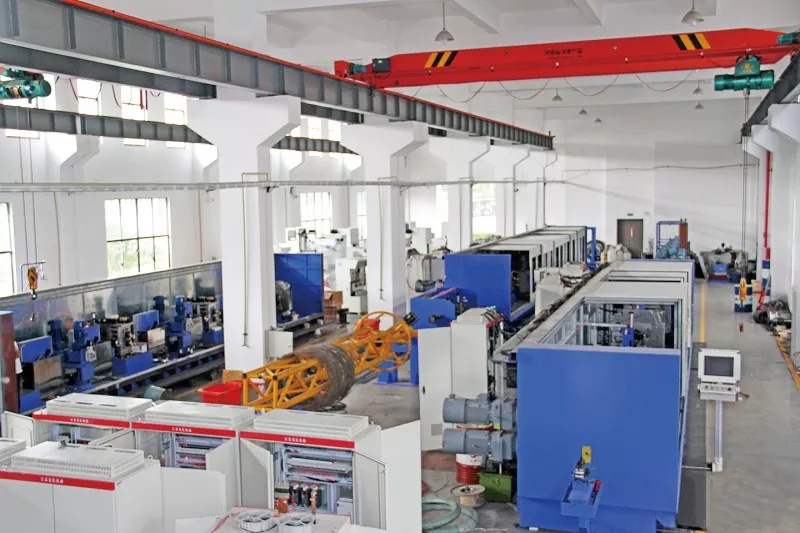
In modern production lines, smart automation is increasingly driven by artificial intelligence and robotics, transforming how goods are manufactured. This evolution isn't just about replacing manual tasks with machines; it's about creating more adaptive and efficient systems that can learn from data and optimize processes on the fly. By integrating AI, factories can now anticipate maintenance needs, reduce downtime, and enhance quality control beyond human capabilities.
Robotics, once confined to repetitive actions, are now becoming collaborative partners in production environments. With advancements in machine learning, these robots can handle complex tasks like assembly and inspection with a level of precision that rivals skilled workers. This shift not only boosts productivity but also allows businesses to scale operations more flexibly, adapting to market demands without the constraints of traditional labor models.
Looking ahead, the synergy between AI and robotics is poised to redefine entire industries, from automotive to electronics. As these technologies mature, they will pave the way for more sustainable practices and innovative products, reshaping the global manufacturing landscape in ways that were once the stuff of science fiction. This ongoing transformation underscores a future where production is smarter, safer, and more responsive to the needs of a dynamic world.
Sustainable Practices Shaping the Future of Electronics
Sustainable practices are revolutionizing the electronics industry by addressing pressing environmental and social challenges. From reducing e-waste through modular designs and repairability to sourcing conflict-free minerals and implementing energy-efficient manufacturing, these initiatives are pivotal. Companies are increasingly adopting circular economy models, where products are designed for longevity, reuse, and recycling, minimizing resource depletion and landfill contributions. This shift not only mitigates environmental harm but also fosters innovation in materials science and supply chain transparency, paving the way for a more resilient and eco-conscious sector.
Innovations like biodegradable components and low-power chips exemplify how sustainability drives technological advancement. By integrating renewable energy into production facilities and leveraging AI for predictive maintenance, manufacturers can slash carbon footprints while boosting efficiency. Consumer awareness is also a catalyst, with demand for green electronics encouraging brands to prioritize certifications like EPEAT or Energy Star. These efforts are transforming electronics from disposable gadgets into durable assets, aligning economic growth with planetary health for a brighter, cleaner future.
Beyond environmental gains, sustainable practices enhance social equity by promoting fair labor standards and local sourcing. Initiatives like take-back programs and community e-waste recycling empower consumers to participate in the lifecycle, fostering a culture of responsibility. As regulations tighten and investor pressure mounts, companies that embrace these holistic approaches are poised to lead, creating value that extends beyond profit to include ecological stewardship and societal well-being in the evolving electronics landscape.
Advancements in Miniaturization and Flexible Electronics
The relentless drive toward miniaturization has fundamentally reshaped the electronics landscape, moving well beyond cramming more transistors onto silicon chips. This evolution now marries size reduction with unprecedented material flexibility—a synergy that's unlocking applications once confined to science fiction. Walk down any city street, and you’ll see the fruit of these innovations: wearable fitness trackers that contour to the wrist, foldable smartphones that slip into pockets, and medical patches monitoring vital signs without the bulk of traditional equipment. Behind these sleek designs lie breakthroughs in nanomaterials, like ultrathin graphene and organic semiconductors, which conduct electricity while bending and stretching. Engineers are pushing boundaries through techniques such as roll-to-roll printing and laser ablation, allowing for mass production of circuit patterns on plastic, fabric, or even paper substrates. This isn't just about making gadgets smaller; it's about embedding intelligence into everyday objects, from smart clothing that adjusts to temperature changes to flexible displays that roll up like scrolls.
While the allure of thinner, lighter devices captures public attention, the deeper impact lies in domains demanding conformability and robustness. In healthcare, miniature flexible sensors are revolutionizing diagnostics and treatment by adhering seamlessly to skin or internal tissues, offering continuous monitoring without discomfort. Imagine a cardiac patch that maps heart rhythms in real-time, detecting irregularities far earlier than sporadic hospital visits. Similarly, the automotive and aerospace sectors leverage these technologies for weight reduction and enhanced durability, integrating flexible circuits into curved dashboards or aircraft wings to monitor structural health. Challenges remain, though, particularly in powering these tiny systems and ensuring longevity under mechanical stress. Researchers are tackling this with stretchable batteries and energy-harvesting solutions, like piezoelectric materials that generate electricity from movement. As these hurdles are overcome, we're edging closer to a future where electronics blend into the environment, becoming invisible yet indispensable.
What truly sets current advancements apart is their convergence with emerging fields, sparking cross-disciplinary innovation. For instance, combining flexible electronics with artificial intelligence enables adaptive systems that learn and respond to user behavior, such as prosthetics that adjust grip strength based on sensory feedback. Environmental applications also gain traction, with biodegradable electronic skins monitoring pollution levels in oceans or forests, then disintegrating without harm. Looking ahead, the pace of progress is accelerating, driven by global collaborations and open-source hardware movements that democratize access. This shift could soon render rigid, boxy devices obsolete, replaced by a new generation of technology that moves, bends, and breathes with us. Ultimately, it's not merely about scaling down components—it's about reimagining how we interact with the digital world, making it more intuitive, sustainable, and seamlessly integrated into daily life.
Internet of Things (IoT) Integration in Modern Manufacturing
In modern manufacturing, IoT integration has revolutionized how factories operate by connecting equipment and systems through sensors and software. This allows real-time monitoring of production lines, leading to reduced downtime and improved efficiency. For instance, when machines detect anomalies, alerts can be sent instantly for maintenance, preventing costly breakdowns and ensuring smoother workflows.
Beyond basic monitoring, IoT in manufacturing enables predictive analytics and data-driven decision-making. By collecting and analyzing data from various sources, companies can forecast demand, optimize inventory levels, and customize production runs. This agility helps manufacturers respond quickly to market changes, reduce waste, and enhance product quality, giving them a competitive edge in a fast-paced industry.
Furthermore, IoT integration fosters smarter automation and worker safety improvements. Connected devices can automate repetitive tasks, freeing up human resources for more complex roles, while sensors monitor environmental conditions to prevent accidents. As technology advances, the synergy between IoT and manufacturing promises continued innovation, unlocking new possibilities for sustainable and efficient production processes.
Innovative Quality Control Techniques for Enhanced Reliability
In today's fast-paced manufacturing and service environments, reliability isn't just a desirable trait—it's a cornerstone of competitive advantage. By integrating advanced statistical process control (SPC) with real-time data analytics, companies can now predict potential failures before they occur. This shift from reactive to proactive quality management allows for adjustments on the fly, minimizing downtime and ensuring products consistently meet high standards. For instance, sensors embedded in assembly lines can monitor variables like temperature and pressure, flagging anomalies instantly, which reduces human error and enhances overall dependability.
Beyond traditional methods, the adoption of artificial intelligence and machine learning has revolutionized quality assurance. These technologies analyze vast datasets to identify subtle patterns that might escape human inspection, such as microscopic defects in materials or inconsistencies in software code. By training algorithms on historical performance data, organizations can develop predictive models that not only detect issues but also suggest optimizations for production processes. This intelligent approach doesn't just catch errors; it builds resilience into systems, making them more robust against unforeseen challenges and boosting long-term reliability.
Another key innovation lies in the use of advanced imaging and non-destructive testing techniques, like 3D scanning and ultrasonic inspection. These tools provide detailed, internal views of components without damaging them, ensuring thorough checks at every stage of development. For example, in aerospace or automotive industries, such methods verify structural integrity and material consistency, which are critical for safety and durability. By combining these visual insights with collaborative platforms that enable cross-team feedback, companies foster a culture of continuous improvement, driving reliability beyond mere compliance to a true competitive edge.
FAQ
Current trends include the adoption of Industry 4.0 technologies like IoT and AI for smart factories, increased use of sustainable materials such as biodegradable plastics, and advancements in miniaturization for wearables and medical devices, driving efficiency and customization.
Automation, through robotics and AI, is enhancing precision and speed in assembly lines, reducing human error, and enabling mass customization with flexible manufacturing systems, leading to lower costs and faster time-to-market for products.
Innovations include developing recyclable and eco-friendly components, implementing energy-efficient manufacturing techniques, and adopting circular economy models to reduce e-waste and carbon footprints across the supply chain.
New materials like graphene and flexible polymers are enabling lighter, more durable devices with improved conductivity and thermal management, fostering breakthroughs in flexible electronics and high-performance computing.
Additive manufacturing allows for rapid prototyping of complex circuit designs, customization of small-batch products, and integration of components in novel ways, accelerating innovation and reducing material waste.
Supply chain shifts, such as regionalization and digital tracking, are pushing manufacturers to invest in resilient, localized production hubs and smart logistics, enhancing agility and responsiveness to market demands.
5G and IoT are driving demand for high-speed, low-latency devices, leading to innovations in sensor technology, edge computing, and interconnected systems for smart cities, healthcare, and industrial automation.
Companies can focus on continuous R&D, upskilling workforces in digital skills, fostering collaborations with startups, and adopting agile business models to quickly adapt to new technologies and consumer preferences.
Conclusion
The article "Wires and Electronics Manufacturing: Trends and Innovations for the Future" explores a dynamic landscape where new materials and sustainable practices are reshaping production. Emerging materials like graphene and biodegradable polymers are transforming wire and electronics manufacturing by enhancing conductivity and durability while reducing environmental impact. This shift towards sustainability is complemented by innovations in miniaturization and flexible electronics, enabling thinner, lighter, and more adaptable devices. These advancements not only improve performance but also align with eco-friendly goals, such as minimizing waste and energy consumption, setting the stage for a more resilient and efficient industry.
Simultaneously, automation and digital integration are driving significant changes, with smart automation leveraging AI and robotics to boost precision and efficiency on production lines. The rise of the Internet of Things (IoT) allows for seamless connectivity and real-time monitoring, optimizing processes from supply chains to end-user applications. Enhanced quality control techniques, including AI-powered inspection and predictive analytics, ensure higher reliability and reduce defects. Together, these trends foster a future where electronics manufacturing is not only faster and smarter but also more sustainable and innovative, poised to meet evolving consumer and industrial demands.
Contact Us
Contact Person: Rayna
Email: [email protected]
Tel/WhatsApp: 86 -173 1474 6343
Website: https://www.grmrollingmill.com/