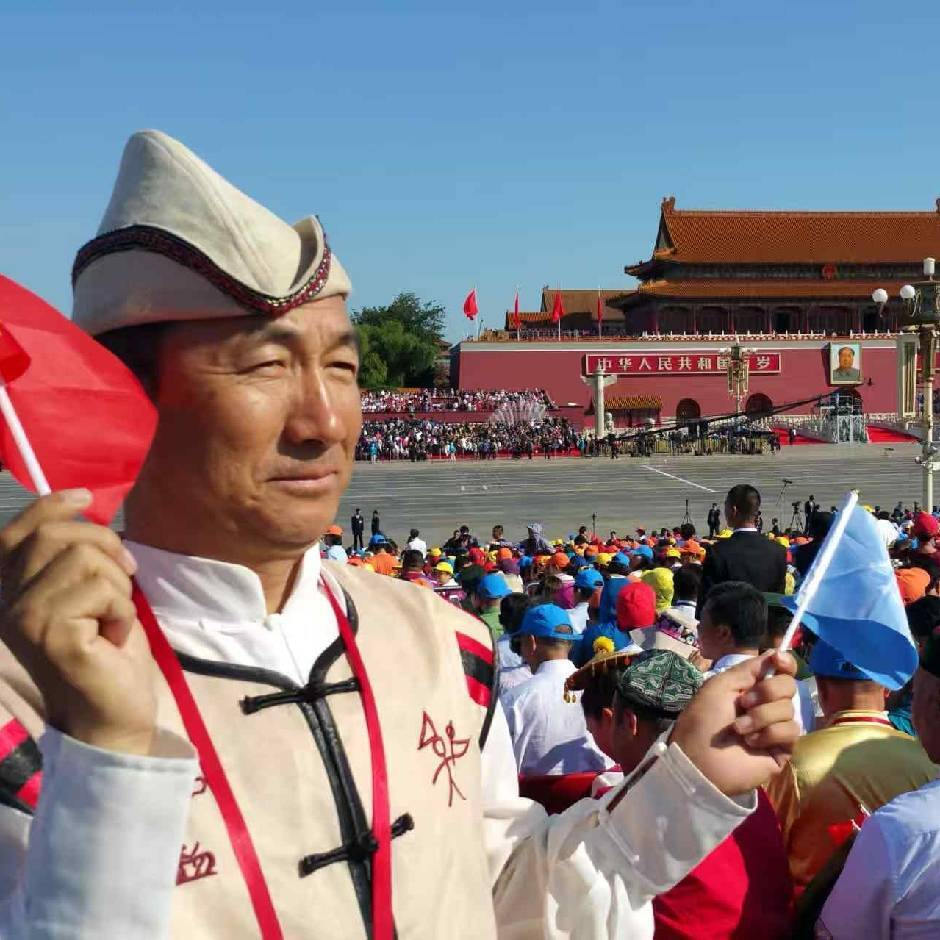

Yunnan Naxi Cultural Attractions: Unveiling Ancient Traditions and Vibrant Heritage
2026-07-25
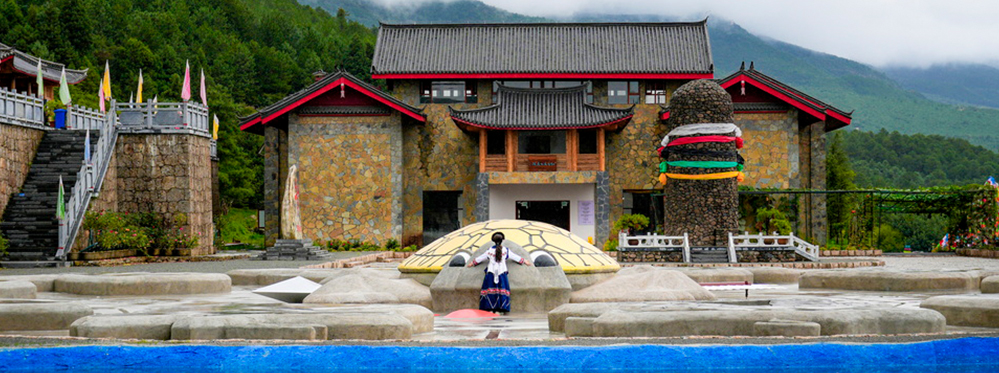
Have you ever dreamed of stepping into a world where ancient rituals still echo through misty mountains, and every cobblestone tells a story? Yunnan’s Naxi heritage is an intricate tapestry of Dongba scriptures, soulful music, and timeless villages. Among these, Jade Water Village stands as a living museum, where sacred springs and traditional courtyards whisper secrets of a civilization that refuses to fade. Beyond the postcard scenes, there’s an untamed vibrancy waiting to be uncovered—let’s journey into its heart.
Whispering Pictographs: The Living Script of the Naxi
Stroll through the old town of Lijiang at dawn, and you might catch a soft murmur drifting from a courtyard – a Naxi elder tracing the curves of a pictograph as if coaxing a story from a sleeping stone. These are the Dongba scripts, a rare living fossil of human communication where each character doesn't just represent a word but carries a breath of the animistic world that gave it life. A single glyph for "cloud" might coil like a serpent, while "forest" becomes a cluster of trembling trees, their roots entangled with the spirit realm.
What sets this script apart isn't just its pictorial beauty, but the way it refuses to be pinned down by rigid grammar. A Dongba priest's manuscript isn't meant to be read in the linear, mechanical way we devour modern text; it is a sacred map, a prompt for ritual chanting where the symbols serve as mnemonic pegs for entire oral epics. The same sequence of pictographs can whisper different stories depending on the memory and improvisation of the ritualist, making each recitation a living, breathing act of creation.
Today, only a dwindling handful of priests can truly speak this language of wind and mountain, yet the script endures far beyond temple walls. You see it silk-screened on the scarves of young artisans, tattooed on travelers seeking a fragment of its ancient power, and even reinterpreted in contemporary art that bridges the chasm between myth and modernity. Rather than fading into a dusty museum case, the Dongba script has become a quiet rebellion against cultural oblivion – a whispered conversation between ancestors and the next generation, proving that some voices, no matter how faint, can never be fully silenced.
Lijiang Old Town: A Labyrinth of Canals and Cobblestones
Stepping into Lijiang Old Town feels like entering a living maze where every alleyway whispers a different story. The cobblestone streets, worn smooth by centuries of footsteps, reflect the soft glow of lanterns that sway gently in the mountain breeze. Crisscrossing this ancient network are countless canals, fed by the pristine waters of the Black Dragon Pool. Their gentle murmur accompanies you as you wander, the sound weaving through the scent of woodsmoke and the distant hum of a folksong. It's easy to lose yourself here, not in a frantic search for an exit, but in the deliberate abandonment of a planned route, letting the flow of water and whimsy guide your path.
The canals are far more than a picturesque backdrop; they are the town’s pulsing veins, a testament to the Naxi people's deep understanding of harmony with nature. Look closely and you’ll notice the ingenious three-eye wells, used in descending order for drinking, washing vegetables, and laundry—a simple yet profound system that speaks of a community deeply rooted in respect and practicality. Bridges, some sturdy stone arches and others simple planks of wood, arc over the waterways, each one offering a new vantage point of blooming flowers draped over tiled roofs and the Jade Dragon Snow Mountain standing sentinel in the distance. This isn't a place you simply see; it’s a place you feel, from the uneven ground beneath your feet to the cool spray that occasionally mists from a splashing channel.
As you wander deeper, the labyrinth becomes personal. You might find a tea house perched on a bend in the canal, its wooden balconies almost touching the water, where a Naxi elder sits with a quiet smile and a pot of pu'er that tastes of the earth. Or you might stumble upon a courtyard where a craftsman patiently taps away at silver, his hammering in rhythm with the stream’s current. Unlike other ancient towns that feel preserved behind glass, Lijiang still breathes and evolves, its cobblestones carrying the footsteps of those who have called it home for generations. To get lost here is not a misfortune; it’s an invitation to discover a world where every turn is a dialogue between stone and water, past and present.
Echoes of the Tea Horse Road: Naxi Ancient Music
Carried by muleteers and monks along the ancient Tea Horse Road, the music of the Naxi people is a living fossil, reverberating through the cobbled lanes of Lijiang. It’s a sound that refuses to be hurried—measured rhythms and drawn-out notes mirror the pace of caravans traversing Himalayan passes. This isn’t music as mere entertainment; it’s a sonic archive, preserving Tang, Song, and Yuan dynasty court melodies that vanished elsewhere centuries ago. Locals call it “the music of the heavens,” and one listen reveals why: bamboo flutes, plucked lutes, and bowed strings weave together in hypnotic layers, their lilting sorrow and stately joy intact despite the erosion of time.
Most haunting is the ensemble’s centerpiece, the ancient *sheng* mouth organ, whose breathy chords seem to hold the thin mountain air itself. Elderly musicians, some in their 80s and 90s, perform with eyes half-closed, as if communing with ancestors. Their instruments, passed down through generations, are often handmade—the *erhuang* fiddle’s python-skin resonator, the pear-shaped *pipa* with its frayed silk strings. The repertoire, too, is a patchwork of influences: Taoist ritual chants mingle with Tibetan Buddhist melodies and Bai folk tunes, reflecting the road’s role as a cultural artery. Each performance in a Naxi courtyard feels less like a concert and more like a séance, summoning the ghosts of traders, pilgrims, and storytellers who once shared songs around campfires.
What makes this musical tradition truly remarkable is its resilience. When the Tea Horse Road faded into history, the music didn’t fade with it. It was kept alive in family homes and at festivals, whispered from grandmother to grandchild. Today, the younger generation is embracing these ancient sounds, not out of nostalgia, but as a form of quiet rebellion against homogenized pop culture. They’re blending instruments like the *gugu* flute with electronic beats, ensuring the road’s echoes morph rather than vanish. To hear Naxi ancient music is to walk a phantom trail of tea and horse sweat, to feel the weight of centuries carried on a single note—a note that still rises nightly from the old town, as timeless as the snowmelt on Jade Dragon Snow Mountain.
Stars and Moon on Their Backs: Unraveling Naxi Attire
Among the rugged landscapes of southwest China, the Naxi women carry a celestial story on their shoulders. Their traditional cape, often called the 'seven-star sheepskin cape,' is embroidered with seven small silk discs representing stars, along with two larger discs for the sun and moon. This design is not mere decoration—it is a wearable cosmology, reflecting the Naxi belief that their ancestors descended from the heavens. The arrangement of these celestial symbols speaks of a cultural memory that links daily labor with the vastness of the night sky, turning every wearer into a bridge between earth and the cosmic order.
Beyond the symbolic embroidery, the cape itself is a marvel of practical ingenuity. Made from layered sheepskin, it provides warmth and protection against the harsh mountain winds, while the stiff, round collar allows women to carry heavy baskets on their backs without chafing. The dark blue or black fabric of their wide-sleeved gowns, cinched with a woven sash, contrasts with the pale sheepskin, creating a silhouette that is both striking and functional. Every element, from the handwoven hemp to the silver hair ornaments, speaks to a deep connection with the surrounding environment—a harmony between human needs and the materials that nature provides.
To outsiders, the attire can seem enigmatic, a puzzle of motifs and layers that resists quick interpretation. The Naxi, one of China’s 56 ethnic groups, have a long history of adapting and preserving their identity through such clothing, even as modern influences encroach. Younger generations might wear jeans and T-shirts in daily life, but during festivals and weddings, the traditional dress reemerges, adorned with stars and moon. It is a silent reaffirmation of who they are, a constellation of silk and wool that maps their heritage onto the moving canvas of the human form.
A Festival of Guardians: Honoring the Sanduo God
The Sanduo Festival, held annually in the rugged borderlands of Yunnan, transcends a typical temple fair. For the local Lisu communities, this event is a living dialogue with their guardian deity, Sanduo, a warrior god believed to safeguard their lands and families. Unlike static rituals, the festival merges solemn prayer with intense physical displays—wrestling, horseback archery, and offerings of traditional brew are not mere performances but acts of reciprocity, a way to mirror the god's strength and ensure continued protection. Early morning ceremonies at the Sanduo Temple, led by village elders, give way to communal feasts where stories of ancient battles and divine interventions are passed down, blurring the line between myth and memory.
What sets this gathering apart is its unbroken thread to a specific landscape. The towering Jade Dragon Snow Mountain, visible from the temple, is considered Sanduo's earthly incarnation; participants often pause to face its peak, murmuring personal vows. This tangible connection fosters a rare intimacy between worshipper and deity. The air fills with the scent of juniper incense and the rhythmic beat of goat-skin drums, while dancers in handwoven costumes circle the central altar. Outsiders are often struck by the lack of rigid scheduling—the festival follows a rhythm dictated by communal consensus rather than a printed program, echoing the old ways when highland clans would converge after the spring planting to seek blessings for the season ahead.
For the Lisu youth, the festival is a rite of passage as much as a celebration. Competitions in feats of strength serve as demonstrations of readiness to shoulder community responsibilities, watched approvingly by elders. Between the games, improvised antiphonal singing carries flirtations and rivalries across the hillsides, weaving new bonds. As dusk falls, the torches are lit, and the focus shifts from the mythic to the immediate: protecting heritage in a rapidly changing world. The Sanduo Festival endures not because of any institutional effort, but because it remains a heartfelt, collective pledge—a promise whispered into the mountain wind that the guardian will never be forgotten.
Dongbaism: The Soul of Naxi Spirituality
Beneath the towering Jade Dragon Snow Mountain, the Naxi people have safeguarded a spiritual tradition that feels almost like a whispered secret among the peaks. Dongbaism isn’t merely a religion in the conventional sense—it’s a living, breathing tapestry woven from animist beliefs, ancestor reverence, and a profound kinship with the natural world. At its heart lies the notion that every rock, river, and breeze carries a spirit, demanding not worship in grand temples but a quiet, daily reciprocity. This interplay between the seen and the unseen shapes everything from agricultural cycles to healing rituals, making Dongbaism less a set of doctrines and more a fluid, communal experience that has somehow endured centuries of external pressure.
What sets Dongbaism apart is the role of the dongba priests, who are part shaman, part scholar, and part artist. They aren’t simply intermediaries between the human and spirit realms; they’re the sole custodians of a pictographic script that’s one of the last actively used systems of its kind in the world. The Dongba script, with its intricate drawings of animals, celestial bodies, and daily life, is more than a writing system—it’s a mirror of the Naxi cosmos. Priests learn to chant from manuscripts that look like storyboards, their performances blending dance, music, and mime to restore balance or banish misfortune. This fusion of literacy and ritual gives Dongbaism a rare intellectual depth, ensuring that spiritual knowledge isn’t just felt but meticulously recorded, passed down through generations in a quiet act of cultural resistance.
Today, Dongbaism faces the familiar erosion of modernity, yet it refuses to fade. You can still hear the rhythmic chant of a dongba echoing from a mountain village, or catch the scent of juniper incense during a ceremony meant to honor the Shu gods of water and earth. For the curious outsider, observing these rites can feel like stumbling upon a hidden language of belief—one that questions the Western urge to separate the sacred from the everyday. In a world speeding toward homogeneity, Dongbaism endures as a gentle but radical reminder that spirituality can be rooted in a specific place, nourished by an ancient sсript, and kept alive not by institutions but by the persistent, quiet faith of a community that still sees the divine in a dragonfly’s wing or a ripple on a lake.
FAQ
The Naxi people have preserved a fascinating blend of ancient and modern elements. Their Dongba script is the only pictographic writing system still in use, deeply intertwined with spiritual beliefs. Naxi ancient music, often described as a 'living fossil', fuses Han Chinese melodies with indigenous rhythms to create something hauntingly beautiful. Additionally, some Naxi communities still follow matrilineal customs, which is rare in China.
Lijiang Old Town is the obvious starting point, a UNESCO site brimming with Naxi architecture and waterways. For a deeper dive, head to Baisha Village, famous for its murals that merge Buddhist and Taoist motifs with Naxi life. Shuhe Ancient Town offers a quieter, more rustic experience, while Yuhu Village—once home to explorer Joseph Rock—provides stunning mountain views and a peek into traditional village life.
Naxi ancient music performances are held regularly in Lijiang's Naxi Concert Hall and sometimes in smaller tea houses. What's remarkable is that this music has been passed down orally for centuries, surviving cultural upheavals. The orchestras use traditional instruments like the pipa and bamboo flute, and the slow, ethereal melodies feel transcendent—like stepping back in time.
While many Naxi today follow Buddhism or no religion, Dongba practices still surface during important life events. Dongba priests perform rituals for blessings, funerals, and healing. You can witness these ceremonies in villages or at cultural centers, where they also offer workshops on Dongba script, keeping this ancient wisdom alive for younger generations.
The Sanduo Festival, held in February or March, honors the Naxi guardian deity with horse races, folk dances, and rituals at Beiyue Temple. Another highlight is the Torch Festival in summer, when villages come alive with fire torches, singing, and communal feasts. These events are open, warm, and a great way to connect with locals.
Start by learning a few words in Naxi—like 'jiase' for hello. Support local artisans by purchasing genuine Dongba calligraphy or batik textiles directly from makers. Always ask before photographing people, especially during rituals. Consider homestays in villages like Wenhai, where your visit directly benefits the community and offers an immersive experience.
Shigu Town, on the Yangtze's first bend, has a striking monument and tranquil streets where Naxi traditions thrive without heavy crowds. Tacheng, further north, is known for its ancient groves and a slower pace of life. Yuhu Village, at Jade Dragon Snow Mountain's base, is peaceful and filled with stories of explorer Joseph Rock. These places feel off the beaten path but warmly welcome the curious traveler.
Conclusion
The Naxi heritage breathes through every alley of Lijiang, where cobblestone paths wind beside clear canals, and the echo of Dongba pictographs seems to whisper from the wooden facades. These characters—one of the world’s last living pictographic scripts—still dance in the hands of elderly scribes, telling stories of cosmology and daily life that have survived centuries. Nearby, the solemn chords of Naxi ancient music, a fusion of Han, Tibetan, and local traditions carried along the Tea Horse Road, fill courtyards with a timeless resonance. It’s a place where the past isn’t just remembered; it’s performed in ceremonies and carved into stone, reminding visitors that tradition here is a current, not a relic.
Beyond the old town, symbols of sun, moon, and stars adorn the distinctive sheepskin capes of Naxi women, each motif a fragment of their cosmic understanding. These garments come alive during the Sanduo Festival, when entire communities gather to honor their protector deity on the slopes of Jade Dragon Snow Mountain, blending sacrifice, dance, and communal reverence. Underpinning these expressions is Dongbaism, a spiritual system woven from ancestral worship, nature spirits, and ritual, still practiced by shamans who paint sacred scrolls and chant ancient texts. Together, they form a vibrant cultural tapestry—not locked in museums, but lived daily, inviting the curious to step into a world where every cobblestone and note of music holds unbroken command of the sacred.
Contact Us
Contact Person: Changhong He
Email: [email protected]
Tel/WhatsApp: 086-0888-5190152
Website: https://vip.e-baixing.com/ysh